BER has a specific set of operational challenges, some inherited from its troubled construction history and others inherent to its role as a capital city gateway for low-cost aviation.
Operational Growing Pains
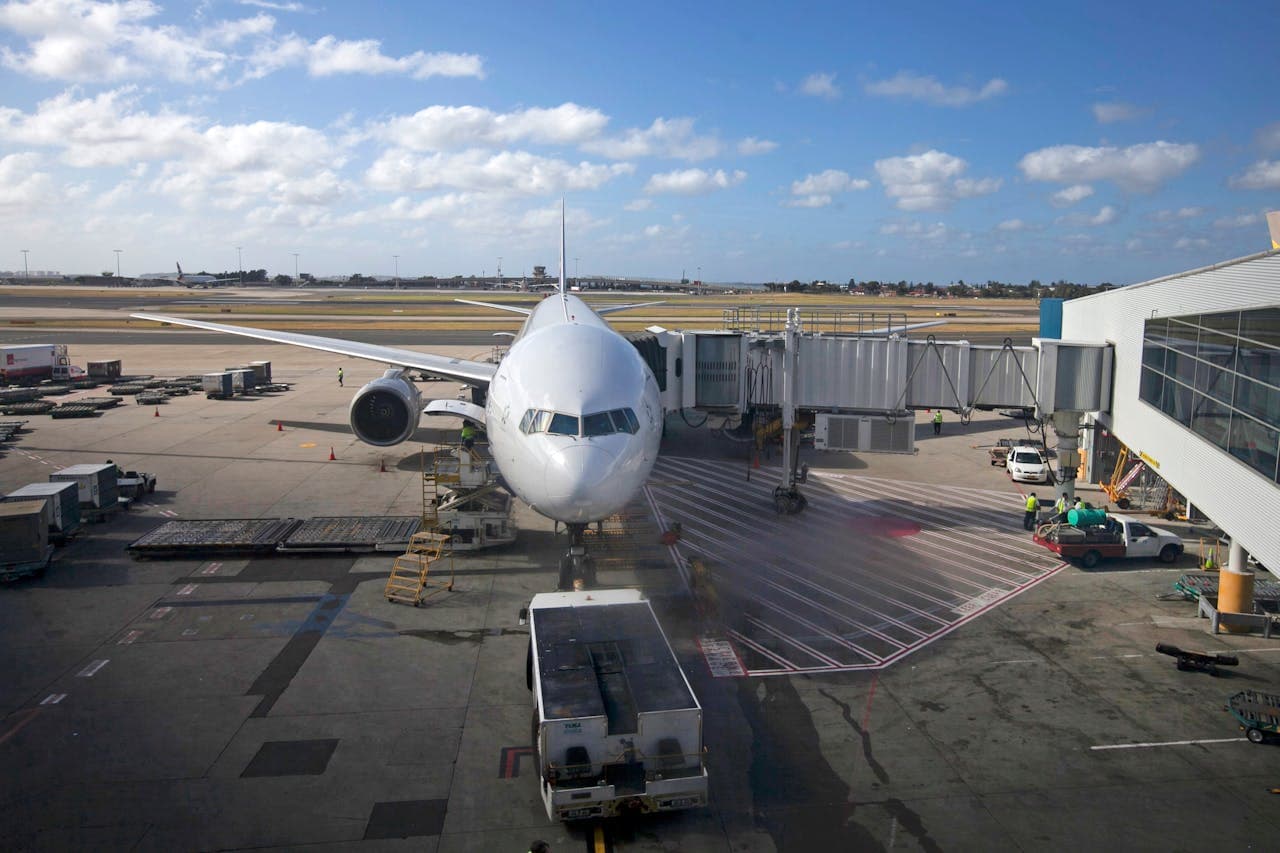
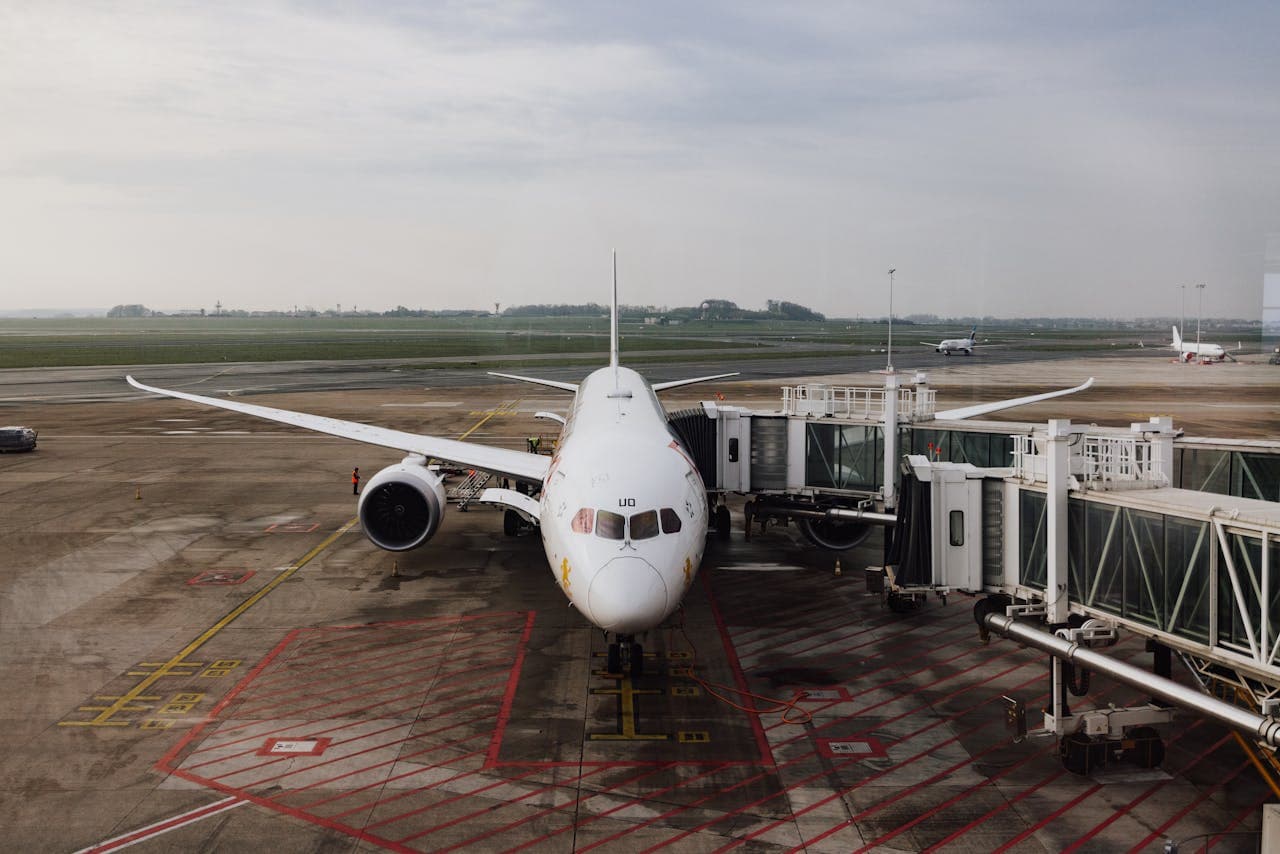
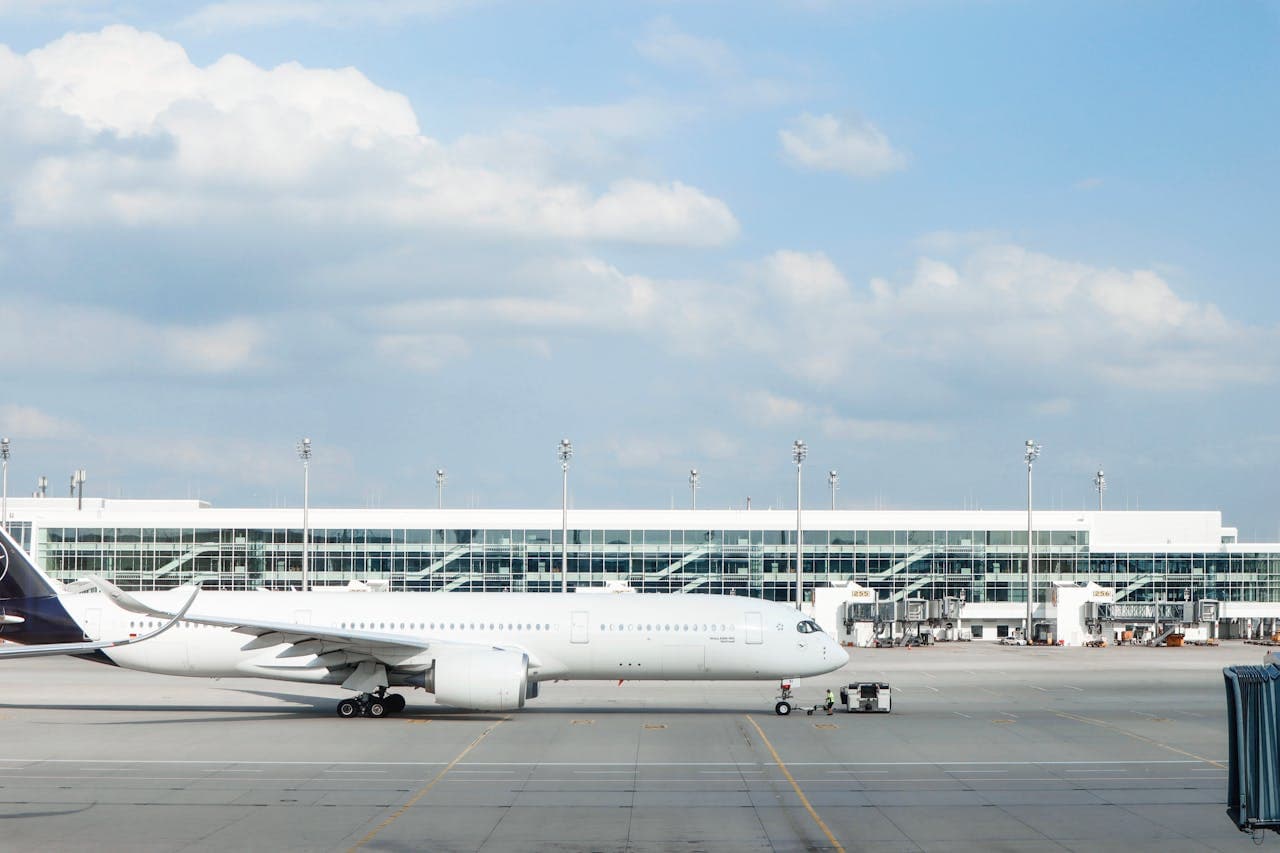
BER opened nearly a decade late, and despite the extended construction timeline, the airport has experienced significant operational teething issues. Terminal 1's baggage handling system -- one of the original reasons for the construction delays -- has suffered recurring malfunctions, causing delayed baggage delivery and occasionally delaying departures when bags cannot be loaded on time. Gate allocation is tight during peak periods, with aircraft sometimes waiting on the apron for a gate to become available.
Terminal 2, which opened in March 2022, was designed as a simplified, low-cost facility to handle overflow traffic. It has limited seating, fewer food outlets, and basic infrastructure compared to Terminal 1. During summer peaks, both terminals can feel overwhelmed, and the operational pressure creates delays in boarding, pushback, and taxi sequences.
Claim impact: All operational issues at BER -- baggage system failures, gate congestion, terminal capacity constraints, and ground handling inefficiencies -- fall squarely within the airline's and airport's sphere of control. None of these qualify as extraordinary circumstances. EU261 claims based on these causes have strong prospects.
Low-Cost Carrier Turnaround Pressure
BER is heavily dominated by low-cost carriers. easyJet is the single largest operator at the airport, followed by Ryanair and Eurowings. These airlines operate on extremely tight turnaround schedules -- often planning just 25 to 30 minutes between an aircraft's arrival and its next departure. This leaves virtually no margin for any disruption, however minor. A 15-minute delay on an inbound flight can cascade through the entire day's schedule for that aircraft, creating delays on three, four, or five subsequent flights.
Claim impact: Airlines that choose to operate with minimal schedule buffers are making a commercial decision that prioritises aircraft utilisation over punctuality. This is entirely within their control. German courts have ruled consistently that tight turnaround scheduling does not excuse delays. If your flight was delayed because the aircraft arrived late on its previous rotation, this is the airline's responsibility.
Brandenburg Weather: Continental Climate Challenges
Berlin sits in northeastern Germany with a continental climate that brings distinct seasonal challenges. Winter brings cold waves from Scandinavia and Eastern Europe, with temperatures regularly dropping below minus 10 degrees Celsius. Ice formation on runways and aircraft is common from November through March, requiring de-icing operations. Summer thunderstorms -- often arriving as fast-moving convective systems from the west -- can temporarily shut down operations with little warning.
BER's location on flat terrain south of Berlin means it has good crosswind tolerance, but the flat topography also makes the airport vulnerable to low-level wind shear during thunderstorm passages.
Claim impact: Berlin's continental climate is well-understood and thoroughly documented. Routine winter de-icing and predictable cold-weather operations are not extraordinary. Summer thunderstorms can be extraordinary if genuinely severe and unexpected, but airlines operating in Central Europe during summer must plan for convective weather. We evaluate the specific meteorological conditions against the airline's response for every claim.
Airspace Complexity and Military Restrictions
Berlin's airspace has a complex history. Until German reunification, the city's air corridors were constrained by Cold War-era agreements. While these restrictions are long gone, the modern Berlin Terminal Manoeuvring Area (TMA) still intersects with military training zones and must coordinate with airfields in the surrounding Brandenburg region. During large events in Berlin (government summits, state visits, major demonstrations), temporary flight restrictions can further constrain capacity.
Claim impact: Routine airspace management is foreseeable. Temporary restrictions for government events are scheduled in advance. Only genuinely unexpected military or security closures might qualify as extraordinary circumstances, and even then, the airline must prove it took all reasonable measures to minimise the impact.