Avioza
  • Home
  • Airlines
  • Airports
  • Your Rights
  • Blog
  • Home
  • Airlines
  • Airports
  • Your Rights
  • How It Works
  • Blog
  1. Home
  2. Airlines We Cover
  3. Allegiant Air Compensation Guide: EU261 & US Passenger Rights
Airlines·March 16, 2026

Allegiant Air Compensation Guide: EU261 & US Passenger Rights

Avioza Team17 min read
No Win, No Fee98% Success RateEU-Wide Coverage
In this article

Ready to Claim Your Compensation?

It takes less than 3 minutes to check. No win, no fee.

Check Your Flight Now

Free eligibility check, no commitment required

98%Success
15,000+Claims
€4.5M+Won
EU-WideEU-Wide
Allegiant Air Compensation Guide: EU261 & US Passenger Rights

Key Takeaways

  • EU Regulation 261/2004 only applies to Allegiant Air flights that depart from an airport within the European Union — which is practically non-existent given Allegiant operates no scheduled EU routes.
  • US DOT rules mandate compensation for domestic tarmac delays exceeding 3 hours and international tarmac delays exceeding 4 hours, with airlines facing fines of up to $27,500 per passenger.
  • Involuntary denied boarding on Allegiant Air entitles passengers to US DOT bumping compensation of up to 400% of the one-way ticket price, capped at $1,550 for delays over 2 hours.
  • Allegiant Air must issue a full cash refund for any cancelled flight, regardless of the reason, if the passenger chooses not to accept rebooking on an alternative flight.
  • For international flights involving EU member states, the Montreal Convention governs lost baggage claims and compensation for delays, providing an independent legal framework separate from EU261.
  • Keeping all boarding passes, receipts for meals, accommodation, and transport during a disruption significantly strengthens any compensation claim against Allegiant Air under both EU and US frameworks.

Allegiant Air Compensation Guide: EU261 & US Passenger Rights

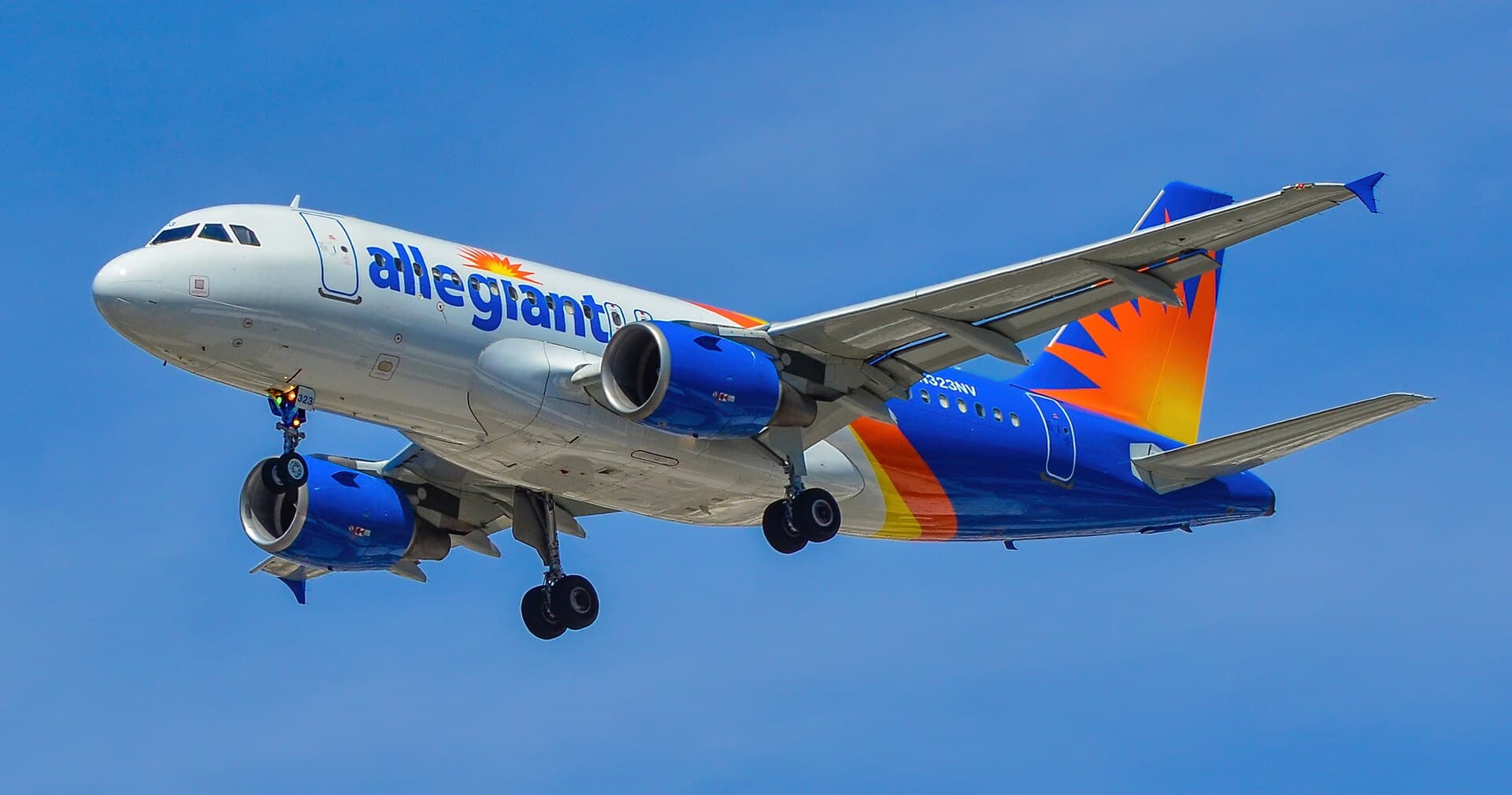
Allegiant Air operates as one of America's most distinctive ultra-low-cost carriers, building its entire business model around connecting small and mid-size US cities directly to leisure destinations — Las Vegas, Orlando, Tampa, and Phoenix chief among them. Founded in 1997 and headquartered in Las Vegas, Nevada, Allegiant avoids the hub-and-spoke system used by major network carriers entirely, preferring point-to-point routes that serve markets often ignored by Delta, United, and American. The airline has grown to serve more than 130 destinations across the United States, flying an all-Airbus A320 family fleet that enables operational simplicity and commonality across its maintenance and crew training programs.

For European travellers or passengers trying to understand their compensation rights after an Allegiant disruption, navigating the legal landscape requires understanding two very different regulatory regimes: the European Union's passenger rights framework under Regulation 261/2004, and the United States Department of Transportation's consumer protection rules. These two systems were designed independently, apply in different geographic contexts, and offer very different levels of financial protection. Understanding which regime covers your specific Allegiant Air journey is the essential first step before pursuing any compensation claim.

Allegiant Air's route network is almost entirely domestic within the United States. The airline does not operate scheduled transatlantic or transpacific routes, and it has no regular departures from European Union airports. This single fact shapes the entire EU261 analysis for Allegiant passengers: because EU261 applies only to flights departing from EU airports (regardless of airline nationality), the regulation will almost never apply to an Allegiant Air booking. Most Allegiant passengers must therefore rely on US DOT rules when their flight is delayed, cancelled, or overbooked — a framework that, while less generous than EU261 in some respects, still provides meaningful protections that the airline is legally required to honour.

Claim Your Allegiant Air Compensation

  • Free eligibility check
  • No win, no fee
  • Expert claim handling
Check My Eligibility

Understanding EU Regulation 261/2004

EU Regulation 261/2004 is the cornerstone of European air passenger rights, establishing a mandatory compensation framework for flight delays, cancellations, and denied boarding on routes that fall within its geographic scope. The regulation creates a fixed-sum compensation entitlement based purely on the distance of the disrupted route, with no requirement for passengers to prove any specific financial loss.

Route DistanceDelay ThresholdCompensation Amount
Up to 1,500 km3+ hours at destination€250 per passenger
1,500 km – 3,500 km (intra-EU)3+ hours at destination€400 per passenger
Over 1,500 km (non-intra-EU)3+ hours at destination€400 per passenger
Over 3,500 km3+ hours at destination€600 per passenger

Beyond fixed compensation, EU261 also mandates a duty of care: airlines must provide meals and refreshments during delays of 2+ hours, hotel accommodation for overnight disruptions, and transport between the airport and hotel. Passengers on cancelled flights are entitled to a full refund or rebooking on the next available flight at no extra cost. These protections apply regardless of whether the disruption was caused by the airline's own operations or an external event — though airlines can invoke the "extraordinary circumstances" defence for events such as severe weather, air traffic control strikes, or security incidents that were genuinely outside their control and unavoidable even with all reasonable measures taken.

When Does EU261 Apply to Allegiant Air?

The jurisdictional trigger for EU261 is geographic, not based on airline nationality. The regulation applies to:

  1. Any flight departing from an EU airport — operated by any airline, including non-EU carriers like Allegiant.
  2. Any flight arriving at an EU airport — but only if operated by an EU-licensed carrier (which Allegiant is not).

Because Allegiant Air holds a US Air Carrier Certificate and not an EU air operator's certificate, EU261 only applies to Allegiant if the flight departs from an EU member state airport. Given that Allegiant operates no scheduled service from European airports, this scenario is essentially non-existent for regular Allegiant passengers. Even code-share arrangements or charter operations involving Allegiant aircraft departing from EU airports would need to be examined case by case, but such arrangements are extremely uncommon in Allegiant's operating model.

For passengers on international flights involving both the US and an EU member state — for example, if you connected through an EU airport on a separate ticket to then board an Allegiant domestic leg — each flight segment is evaluated independently under EU261. Your Allegiant domestic segment would not be covered by EU261 even if earlier segments in your itinerary were. Only flights where Allegiant itself operated a departure from an EU airport would trigger EU261 compensation rights against Allegiant directly.

Where international flights are involved, the Montreal Convention of 1999 provides a separate layer of protection. The Convention governs liability for passenger injury, death, baggage loss or damage, and delay on international flights between signatory nations. Both the United States and all EU member states are signatories. Under the Montreal Convention, an airline's liability for proven damages caused by delay is capped at approximately 4,694 Special Drawing Rights per passenger (roughly USD $6,200), and for lost or destroyed baggage the same limit applies. Unlike EU261, the Montreal Convention requires passengers to demonstrate actual proven losses rather than paying a fixed statutory sum.

US DOT Passenger Rights

For the overwhelming majority of Allegiant Air passengers, US DOT consumer protection rules are the operative legal framework. These rules have been strengthened significantly in recent years, particularly through enhanced refund requirements introduced in 2024.

Tarmac Delay Rule: Allegiant Air must not keep passengers on board a grounded aircraft for more than 3 hours on domestic routes or 4 hours on international routes without providing an opportunity to deplane. The airline must also provide food and water after 2 hours on the tarmac, and must maintain operable lavatories throughout the delay. Violations of the tarmac delay rule can result in civil penalties of up to $27,500 per affected passenger — penalties that are levied against the airline by the DOT, not paid directly to passengers, but the threat of which creates a strong compliance incentive.

Denied Boarding Compensation: When Allegiant Air cannot accommodate all passengers on a flight due to overbooking, the airline must first seek volunteers willing to give up their seats in exchange for agreed compensation. If insufficient volunteers come forward and Allegiant must involuntarily bump passengers, mandatory DOT compensation applies. Passengers arriving 0–1 hour late receive nothing. Passengers arriving 1–2 hours late (domestic) or 1–4 hours late (international) receive 200% of the one-way fare up to $775. Passengers arriving more than 2 hours late (domestic) or more than 4 hours late (international) receive 400% of the one-way fare up to $1,550.

Cancellation Refund Rights: Since 2024 DOT rule strengthening, Allegiant Air must proactively issue automatic cash refunds to passengers whose flights are cancelled, regardless of the reason. Passengers who choose to accept a rebooking forfeit the refund right for that itinerary, but those who prefer their money back are entitled to a full refund — including all ancillary fees paid — within 7 business days for credit card payments and 20 calendar days for cash or check payments.

How to Claim Compensation from Allegiant Air

Successfully claiming compensation from Allegiant Air requires documentation, persistence, and knowledge of the correct escalation channels.

Step 1 — Document everything immediately. Take photographs of departure boards showing delay times, keep all boarding passes (including paper copies), and save any SMS or email notifications from Allegiant. Record the actual departure and arrival times versus scheduled times.

Step 2 — Keep all receipts. If you purchased meals, accommodation, or ground transportation as a result of the disruption, keep every receipt. These out-of-pocket expenses may be recoverable under US DOT rules, the Montreal Convention, or EU261 (if applicable).

Step 3 — Contact Allegiant Air customer service. Submit a formal written complaint to Allegiant's customer relations department via their website. Be specific: include your flight number, date, booking reference, a precise account of the disruption, and the specific compensation or refund you are requesting. Request a written response.

Step 4 — Reference the specific rule. For tarmac delays, cite 14 CFR Part 259. For denied boarding, cite 14 CFR Part 250. For cancellation refunds, cite DOT's 2024 refund rule. Quoting the exact regulation demonstrates you know your rights and makes it harder for Allegiant to deflect with generic responses.

Step 5 — Set a response deadline. Give Allegiant 28 days to respond substantively. If you receive a template rejection or no response, proceed to escalation.

Step 6 — File a US DOT complaint. Submit a formal complaint at airconsumer.dot.gov. The DOT tracks complaint patterns and investigates airlines that repeatedly violate consumer protection rules. Filing a complaint creates an official record and can trigger enforcement action.

Step 7 — Consider professional claim assistance. For claims involving EU261 (rare for Allegiant) or complex international itineraries under the Montreal Convention, specialist claim services work on a no-win-no-fee basis and have legal expertise to pursue claims through courts if necessary.

About Allegiant Air

Allegiant Air was founded in 1997 as WestJet Express, initially operating as a small regional carrier before rebranding and pivoting entirely to the leisure travel market. The airline is headquartered in Las Vegas, Nevada, and operates a fleet composed exclusively of Airbus A320 family aircraft — primarily A319s and A320s — chosen for their efficiency on thin leisure routes and their commonality, which simplifies maintenance and pilot training across the fleet.

The airline's business model is radically different from traditional carriers. Allegiant deliberately focuses on routes between smaller US cities — think Fargo, Provo, or Appleton — and major vacation destinations, operating routes that no other airline serves and that would be uneconomical under a hub-and-spoke model. Flights are often seasonal and operate only a few days per week, which allows Allegiant to minimise costs while serving genuinely underserved markets. The airline has also diversified into hospitality, offering hotel and rental car packages bundled with flights through its Allegiant Vacations platform.

Revenue from ancillary fees — bags, seat assignments, priority boarding, and airport check-in fees — forms a significant portion of Allegiant's total revenue, enabling the airline to advertise base fares that are among the lowest in the US market. Passengers should factor in these additional costs when comparing Allegiant fares with competing carriers.

Your Right to Care During Disruptions

Both EU261 and US DOT rules include provisions for passenger welfare during extended disruptions, though the scope and enforceability differ significantly.

Under EU261, airlines have a non-waivable duty of care obligation that applies from the moment a delay reaches 2 hours, regardless of cause. This means meals, refreshments, and access to communication must be provided at no cost. For delays necessitating an overnight stay, hotel accommodation and airport-hotel transport must be arranged and paid for by the airline. Importantly, these duty of care obligations survive even when the airline successfully invokes the extraordinary circumstances defence to escape fixed compensation payments — the duty of care and the compensation entitlement are legally distinct.

Under US DOT rules, the tarmac delay rule requires Allegiant to provide food and drinking water after 2 hours of ground delay, maintain functioning lavatories, and ensure medical attention is available if needed. However, these obligations apply specifically to the tarmac scenario and do not extend to all gate and terminal delays in the same mandatory way that EU261's duty of care does. Passengers stranded in terminals overnight due to cancellations have weaker mandatory entitlements under US law and are more dependent on Allegiant's own policies and any applicable travel insurance coverage.

Real-World Scenarios

Scenario 1: Tarmac Delay in Phoenix

Your Allegiant Air flight from Phoenix Sky Harbor to Portland is pushed back from the gate but sits on the tarmac for 3 hours and 45 minutes before departing. EU261 does not apply — this is a domestic US departure. However, Allegiant has violated the DOT's 3-hour tarmac delay rule. The airline faced a choice: either return to the gate to allow passengers to deplane or depart within 3 hours. By exceeding that limit, Allegiant has exposed itself to civil penalties. You should document the delay with timestamps, file a DOT complaint, and request compensation for any additional expenses incurred.

Scenario 2: Denied Boarding in Las Vegas

You have a confirmed Allegiant booking from Las Vegas to Orlando, but at the gate the agent informs you the flight is overbooked and asks for volunteers. No one volunteers. You are involuntarily bumped. Your replacement flight arrives in Orlando 2 hours and 20 minutes after your original scheduled arrival. Under DOT denied boarding rules, you are entitled to 400% of your one-way fare up to $1,550, plus any difference in fare on the replacement flight, plus a full refund of your original ticket. Demand this in writing before leaving the airport.

Scenario 3: Allegiant Cancellation, Voucher Offered

Allegiant cancels your flight from Provo to Las Vegas the day before departure due to low demand and offers you a $150 travel voucher as compensation. Under the 2024 DOT refund rules, you are entitled to a full cash refund — not a voucher — if you choose not to accept the rebooking. Politely decline the voucher, state that you are requesting a cash refund to your original payment method under DOT regulations, and submit a formal complaint to both Allegiant and the DOT if the refund is not processed within the mandated timeframe.

Time Limits for Claiming

Knowing how long you have to file a claim is critical — missing a limitation period can permanently extinguish your rights.

Country / JurisdictionApplicable LawTime Limit
United States (DOT complaint)14 CFR Parts 250, 259No hard statutory limit; file promptly
United States (small claims court)State law2–6 years depending on state
GermanyEU261 + BGB3 years from flight date
FranceEU261 + Code Civil5 years from flight date
United KingdomUK2616 years (England/Wales), 5 years (Scotland)
ItalyEU261 + Codice Civile2 years from flight date
SpainEU261 + Civil Code5 years from flight date
NetherlandsEU261 + BW3 years from flight date
Montreal ConventionInternational treaty2 years from date of arrival or expected arrival

For Allegiant Air specifically, given that EU261 almost never applies, the most relevant time limits are US DOT complaint windows and the Montreal Convention 2-year period for international itinerary claims. File as early as possible — delays in filing weaken your case as evidence becomes harder to gather and airline records may be purged.

What to Do If Allegiant Rejects Your Claim

Allegiant Air, like many US ULCCs, may issue template rejection letters citing weather, air traffic control, or general operational language without specific legal justification. Do not accept a rejection at face value.

First, request a detailed written explanation citing the specific legal basis for the rejection. If Allegiant claims extraordinary circumstances under EU261 (on the rare occasion it applies), they must demonstrate that the circumstance was genuinely beyond their control and that all reasonable measures were taken to avoid the delay or cancellation — not merely that an extraordinary event occurred.

If the rejection stands, escalate to the US DOT Aviation Consumer Protection Division at airconsumer.dot.gov. The DOT investigates systematic violations and has the authority to assess civil penalties and order corrective action. For EU261 claims (rare for Allegiant), national enforcement bodies in each EU member state have jurisdiction and can investigate and adjudicate complaints.

For monetary claims that exceed small claims court thresholds, specialist aviation compensation firms work on contingency — they take no fee unless your claim succeeds. These firms have established legal relationships with airline legal departments and courts in multiple jurisdictions and can significantly increase the probability of recovery on contested claims.

Claim Your Allegiant Air Compensation

  • Free eligibility check
  • No win, no fee
  • Expert claim handling
Check My Eligibility

7 Expert Tips for Allegiant Air Compensation Claims

  1. Always book with a credit card. In cases where Allegiant refuses a mandated refund, a credit card chargeback under Regulation Z of the Truth in Lending Act provides an additional recovery mechanism independent of DOT complaints and court proceedings.

  2. Screenshot the booking and all fees at purchase. Allegiant's ancillary fee structure means your total payment is often significantly higher than the base fare shown. Documenting what you paid in full supports a claim for complete refund of all charges in a cancellation scenario.

  3. Request a written denial at the airport. If you are involuntarily bumped, ask the gate agent to provide written confirmation of the bumping and the specific compensation offered. This document is valuable evidence if the airline later disputes what occurred.

  4. Know the 14-day rule. Under EU261 (applicable only to EU-departing Allegiant flights), cancellations notified more than 14 days before departure carry no fixed compensation entitlement. If Allegiant were to operate an EU-departing charter and cancel it 10 days before departure, you would be entitled to fixed compensation plus a refund.

  5. File your DOT complaint promptly. Although there is no hard statutory deadline for DOT administrative complaints, filing within 30 days of the incident ensures records are fresh and the DOT can more easily investigate and corroborate your account against airline records.

  6. Do not accept a travel voucher under pressure. Airlines sometimes pressure passengers at the airport to accept vouchers by claiming it is the only option available. A cash refund is your legal right for cancelled flights under DOT rules. Accepting a voucher may constitute a waiver of your cash refund right depending on the terms attached.

  7. Travel insurance fills the gap. Because US DOT rules provide less automatic cash compensation than EU261 for simple delays (as opposed to denied boarding and cancellations), comprehensive travel insurance with trip delay coverage is especially valuable on Allegiant itineraries. Policies typically reimburse accommodation, meals, and alternative transport costs for delays exceeding 4–6 hours.

Conclusion

Allegiant Air's focus on domestic US leisure travel means that EU Regulation 261/2004 — with its generous fixed compensation structure — will rarely if ever apply to an Allegiant passenger. The airline's relevant legal framework is primarily US DOT consumer protection rules, which provide meaningful rights around tarmac delays, denied boarding, and cancellation refunds, even if they do not replicate the automatic fixed-sum compensation model of EU261. Understanding which rules apply to your specific journey is the indispensable first step in any successful compensation claim.

For the small number of Allegiant passengers whose itineraries touch EU airports or involve international segments covered by the Montreal Convention, professional claim assistance can be highly valuable. The legal landscape is complex, airlines issue rejections on both valid and invalid grounds, and the expertise to navigate enforcement bodies and courts in multiple jurisdictions requires specialist knowledge that most individual passengers do not possess. Whether your claim falls under DOT rules, EU261, or the Montreal Convention, acting quickly, documenting thoroughly, and knowing your escalation options gives you the best possible chance of recovering the compensation you are legally owed.

Claim Your Allegiant Air Compensation

  • Free eligibility check
  • No win, no fee
  • Expert claim handling
Check My Eligibility

Frequently Asked Questions

Does EU261 apply to my Allegiant Air flight?
EU Regulation 261/2004 applies to Allegiant Air only if your flight departed from an airport located within the European Union. Allegiant Air does not operate any scheduled routes between EU airports and the United States or elsewhere, so in virtually all practical cases EU261 will not apply to an Allegiant booking. If you somehow travelled on a charter or code-share Allegiant-operated flight departing from an EU airport, EU261 would grant you compensation rights of €250–€600 depending on route distance. For the vast majority of Allegiant passengers, US DOT rules are the relevant framework.
What compensation can I get for a tarmac delay on Allegiant Air?
Under US DOT regulations, Allegiant Air must allow passengers to deplane if a domestic flight has been sitting on the tarmac for more than 3 hours without taking off, or 4 hours for international flights. If Allegiant violates this rule, the airline faces civil penalties of up to $27,500 per stranded passenger. However, the DOT rule does not create a direct private right of action for passengers to sue for a fixed cash payout in the way EU261 does. Passengers affected by tarmac delays should file a complaint with the US DOT Aviation Consumer Protection Division, which investigates violations and can apply pressure for compensation or refunds.
How much compensation do I get if I am bumped from an Allegiant flight?
If Allegiant Air involuntarily denies you boarding due to overbooking, US DOT rules require the airline to provide compensation. If you arrive at your destination between 1 and 2 hours late (domestic) or 1 to 4 hours late (international), you are entitled to 200% of your one-way fare up to $775. If you arrive more than 2 hours late (domestic) or more than 4 hours late (international), the compensation doubles to 400% of your one-way fare up to $1,550. These amounts are minimums — Allegiant can and sometimes does offer higher voluntary compensation such as travel vouchers to avoid enforced bumping.
Can I get a refund if Allegiant cancels my flight?
Yes. Under US DOT rules, if Allegiant Air cancels your flight for any reason — including weather, mechanical issues, or operational decisions — you are entitled to a full cash refund to your original payment method if you choose not to accept the rebooking offered. You do not have to accept a travel voucher or flight credit. The DOT strengthened this rule in 2024, and Allegiant must now process refunds within 7 business days for credit card payments and 20 calendar days for other payment methods. If Allegiant offers only a voucher, you can insist on a cash refund and file a DOT complaint if refused.
What is the Montreal Convention and when does it apply to Allegiant?
The Montreal Convention of 1999 is an international treaty governing passenger rights on international flights between signatory countries. It covers compensation for lost, damaged, or delayed baggage as well as passenger delays on international routes. While EU261 focuses on EU-departing flights, the Montreal Convention applies to any Allegiant flight operating between the US and an international destination that is also a signatory to the Convention. Under the Montreal Convention, airlines are liable for proven damages caused by delays up to approximately 4,694 Special Drawing Rights (roughly $6,200 USD). For lost or destroyed baggage, the same limit applies.
How do I file a complaint against Allegiant Air with the US DOT?
You can file a complaint against Allegiant Air directly with the US Department of Transportation Aviation Consumer Protection Division at airconsumer.dot.gov. The DOT accepts online complaints and investigates airlines for patterns of violations including tarmac delay rule breaches, denied boarding violations, and refusal to issue mandated refunds. You should also consider submitting your complaint to the Better Business Bureau and your state Attorney General's consumer protection office. Keep records of all correspondence with Allegiant, your booking confirmation, boarding passes, and any out-of-pocket expenses incurred during the disruption.
Does Allegiant Air charge fees that affect my compensation claim?
Allegiant Air is known for its unbundled pricing model, which means the base fare is often very low but the airline charges separately for carry-on bags, seat selection, priority boarding, and even printing boarding passes at the airport. When calculating US DOT denied boarding compensation, only the base one-way airfare is used — not any ancillary fees paid. However, if you are seeking a full refund after a cancellation, the DOT rules require Allegiant to refund all ancillary fees as well, including bags and seat assignments, not just the base ticket price.

Ready to Claim Your Compensation?

It takes less than 3 minutes to check. No win, no fee.

Check Your Flight NowFree eligibility check, no commitment required
allegiant-aireu261flight-compensationus-airlines

Share this post

Related Posts

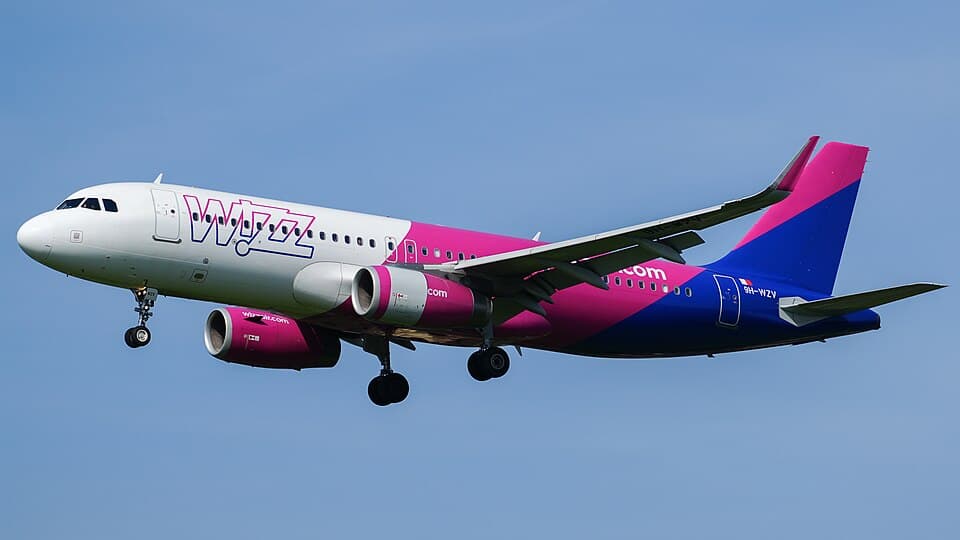
Wizz Air Malta Flight Compensation: Complete EU261 Guide
airlines·Apr 11, 2026

Wizz Air Malta Flight Compensation: Complete EU261 Guide

Wizz Air Malta is EU-registered — all flights are fully covered by EU261. Claim up to €600 compensation for delays, cancellations, and denied boarding.

12 min read
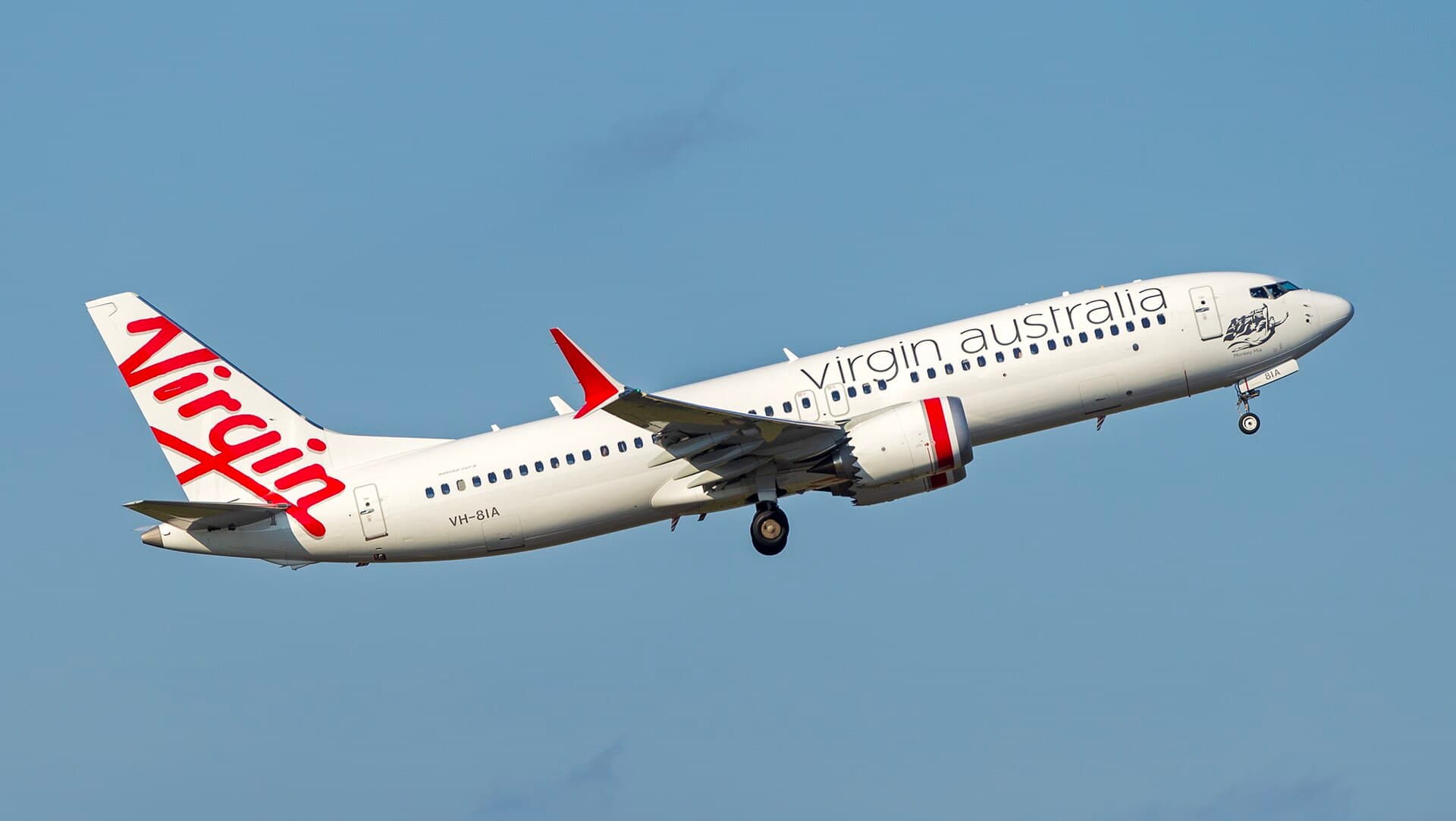
Virgin Australia Compensation: EU261 & Australian Passenger Rights
airlines·Mar 16, 2026

Virgin Australia Compensation: EU261 & Australian Passenger Rights

Virgin Australia passengers disrupted by delays, cancellations or denied boarding may be entitled to compensation under EU Regulation 261/2004 (for EU-departing flights) or Australian Consumer Law. This guide explains exactly which rules apply, how much you can claim, and the step-by-step process for recovering your money.

17 min read
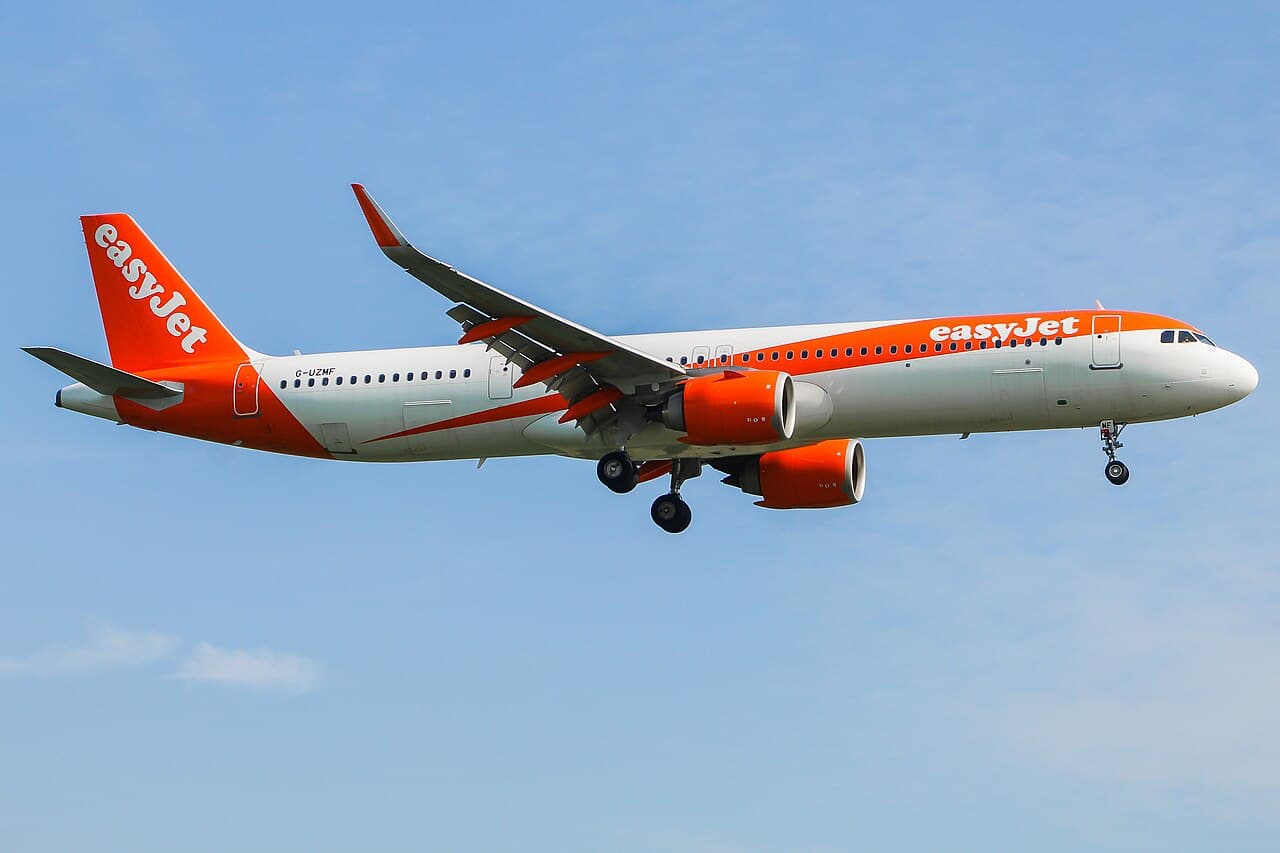
easyJet EU261 & UK261 Compensation: Complete Rights Guide
airlines·Mar 16, 2026

easyJet EU261 & UK261 Compensation: Complete Rights Guide

Delayed or cancelled easyJet flight? You may be entitled to up to €600 under EU261/2004 or £520 under UK261. Learn exactly how the post-Brexit dual framework works, which entity applies, and how to win your claim.

16 min read
Back to Airlines We Cover

Successful Cases Against These Airlines and Others

Avioza has a strong track record of launching flight compensation claims against major airline operators.

Aegean AirlinesAer LingusAir Astana EU261Air Canada EU261Air China EU261Air DolomitiAir EuropaAir FranceAir Malta EU261Air New Zealand EU261Air Transat EU261AirAsia EU261AirAsia X EU261Alaska Airlines EU261 & USAlitaliaAustrian AirlinesBelavia EU261Binter CanariasBritish AirwaysBrussels AirlinesBuzz AirlineChina Eastern EU261China Southern EU261CondorCorendon Airlines Europe EU261CorsairflyCroatia AirlinesCyprus Airways EU261Edelweiss AirEgyptAir EU261El AlEmiratesEnter AirEtihad AirwaysEurowings DiscoverEurowingsFiji AirwaysFinnairFrontier AirlinesGulf AirHainan Airlines EU261Hawaiian AirlinesITA AirwaysIberia ExpressIberiaIcelandairJet2JetBlue EU261Jetstar EU261KLM Royal Dutch AirlinesLOT Polish AirlinesLauda EuropeLoftleiðir IcelandicLufthansaLuxairMIAT Mongolian Airlines EU261Middle East Airlines EU261Neos AirNorse Atlantic AirwaysNorwegian Air ShuttlePegasus AirlinesPorter Airlines EU261Qatar AirwaysRoyal Air Maroc EU261Royal Jordanian EU261RyanairSAS Scandinavian AirlinesSWISS International Air LinesScoot EU261Sichuan Airlines EU261Southwest AirlinesSpirit Airlines EU261 & US Passenger Rights: CompleteSunclass Airlines EU261Sunwing Airlines EU261TAROMTUI AirwaysTUI Fly BelgiumTUI fly GermanyTransaviaTunis Air EU261Turkish AirlinesUzbekistan AirwaysVirgin AustraliaVoloteaVuelingWestJet EU261WiderøeWizz AirWizz Air MaltaWizz Air UKairBalticeasyJet EU261 & UK261easyJet Europe

Help Provided at These Airports and More

Avioza provides support for passengers disrupted by overbooked flights, delays and cancellations at airports across Europe.

Coruna Airport (LCG)Aalborg Airport (AAL)Aarhus AirportAberdeen Airport (ABZ)Şakirpaşa Airport (ADA)Ajaccio Napoleon Bonaparte Airport (AJA)Alghero Fertilia Airport (AHO)Alicante-Elche Airport (ALC)Almeria Airport (LEI)Amsterdam Schiphol Airport (AMS)Falconara Airport (AOI)Esenboga Airport (ESB)Antalya Airport (AYT)Asturias Airport (OVD)Athens Airport (ATH)Bacău Airport (BCM)El Prat Airport (BCN)Bari Airport (BRI)Poretta Airport (BIA)'Paris' AirportBelfast City Airport (BHD)Belfast International Airport (BFS)Brandenburg Airport (BER)Biarritz Pays Basque Airport (BIQ)Bilbao Airport (BIO)Billund Airport (BLL)Birmingham Airport (BHX)Bodrum Milas Airport (BJV)Bodø Airport (BOO)Bordeaux-Mérignac Airport (BOD)Bornholm Airport (RNN)Bremen Airport (BRE)Salento Airport (BDS)Bristol Airport (BRS)řany Airport (BRQ)Coandă Airport (OTP)Budapest Airport (BUD)Burgas Airport (BOJ)Elmas Airport (CAG)Cardiff Airport (CWL)Chania Airport (CHQ)Cluj-Napoca Airport (CLJ)Cologne Bonn Airport (CGN)Kastrup Airport (CPH)Corfu Airport (CFU)Cornwall AirportCraiova Airport (CRA)Crotone Sant'Anna Airport (CRV)Dalaman Airport (DLM)Debrecen Airport (DEB)Diyarbakır Airport (DIY)Hood AirportDortmund Airport (DTM)Dresden Airport (DRS)Dubrovnik Airport (DBV)Duesseldorf Airport (DUS)East Midlands Airport (EMA)Edinburgh Airport (EDI)Airport (EIN): Flight Compensation at the AirportErfurt-Weimar Airport (ERF)Erzurum Airport (ERZ)Esbjerg Airport (EBJ)Exeter Airport (EXT)Faro Airport (FAO)Alta AirportBergen AirportBologna AirportBydgoszcz AirportCatania AirportGdańsk AirportHaugesund AirportIvalo AirportJoensuu AirportJyväskylä AirportKarpathos AirportKatowice AirportKirkenes AirportKiruna AirportKraków AirportLublin AirportLuleå AirportMariehamn AirportModlin AirportNaples AirportOslo AirportPoznań Airport (POZ)Rzeszów AirportSundsvall AirportSzczecin AirportTorp AirportUmeå AirportVenice AirportVisby AirportWarsaw AirportWrocław AirportÅre Östersund AirportŁódź Airport (LCJ)Florence Airport (FLR)Frankfurt Airport (FRA)Frankfurt-Hahn Airport (HHN)Friedrichshafen Airport (FDH)Fuerteventura Airport (FUE)Funchal Airport (FNC)Gaziantep Oğuzeli Airport (GZT)Cristoforo Colombo Airport (GOA)Glasgow Airport (GLA)Gothenburg Landvetter Airport (GOT)Gran Canaria Airport (LPA)Granada Airport (GRX)Eelde Airport (GRQ)Guernsey Airport (GCI)Hamburg Airport (HAM)Hannover Airport (HAJ)Narvik AirportHelsinki-Vantaa Airport (HEL)Heraklion Airport (HER)Airport (HOR) Flight Compensation: Possibly Europe's Most Isolated AirportIași Airport (IAS)Ibiza Airport (IBZ)Inverness Airport (INV)Isle of Man Airport (IOM)Istanbul Airport (IST)Izmir Adnan Menderes Airport (ADB)Frontera Airport (XRY)Jersey Airport (JER)Jyväskylä Airport (JYV)Kalamata Airport (KLX)Kalmar Öland Airport (KLR)the Spa Town's Micro-AirportKarlsruhe/Baden-Baden Airport (FKB)Kavala Airport (KVA)Erkilet Airport (ASR)Kefalonia Airport (EFL)Kittilä Airport (KTT)Konya Airport (KYA)Kos Airport (KGS)Kristiansand Airportës International Airport (KFZ)Kuopio Airport (KUO)Palma Airport (SPC)(TER) Flight Compensation: A Cold War Military Base Turned Tourist AirportTerme Airport (SUF)Lanzarote Airport (ACE)Leeds Bradford Airport (LBA)Leipzig/Halle Airport (LEJ)Lille Lesquin Airport (LIL)Lisbon Airport (LIS)Liverpool John Lennon Airport (LPL)Ljubljana Airport (LJU)London Gatwick Airport (LGW)London Heathrow AirportLondon Luton Airport (LTN)London Stansted Airport (STN)Lyon Saint-Exupéry Airport (LYS)Airport (MST): Flight Compensation at the Tri-Border AirportMadrid Barajas Airport (MAD)del Sol Airport (AGP)Malmö Airport (MMX)Manchester Airport (MAN)Maribor Airport (MBX)Mariehamn Airport (MHQ)Marseille Provence Airport (MRS)Airport (FMM) Flight Compensation: Your Complete Guide to Rights at Allgäu AirportMahon Airport (MAH)Milan Bergamo Airport (BGY)Milan Linate Airport (LIN)Milan Malpensa Airport (MXP)Molde AirportMontpellier Méditerranée Airport (MPL)Muenster/Osnabrueck Airport (FMO)Munich Airport (MUC)Mykonos Airport (JMK)Nantes Atlantique Airport (NTE)Nevşehir Kapadokya Airport (NAV)Newcastle Airport (NCL)Nice Côte d'Azur Airport (NCE)Nuremberg Airport (NUE)Ohrid Airport (OHD)Costa Smeralda Airport (OLB)Olsztyn-Mazury Airport (SZY)Airport (OMR) Flight Compensation: The Border-Zone AirportOrdu-Giresun Airport (OGU)Osijek Airport (OSI)Leoš Janáček Airport (OSR)Oulu Airport (OUL)Paderborn/Lippstadt Airport (PAD)Palermo Falcone-Borsellino Airport (PMO)de Mallorca Airport (PMI)Pardubice Airport (PED)Paris Charles de Gaulle Airport (CDG)Paris Orly Airport (ORY)Galileo Galilei Airport (PSA)Plovdiv Airport (PDV)Delgada Airport (PDL)Porto Airport (OPO)Havel Airport (PRG)Preveza Airport (PVK)Pula Airport (PUY)Radom Airport (RDO)Rennes Bretagne Airport (RNS)Reus Airport (REU)Rhodes Airport (RHO)Airport (RJK) Flight Compensation: Croatia's Island AirportRome Fiumicino Airport (FCO)Rostock-Laage Airport (RLG)the City AirportRovaniemi Airport (RVN)Airport (SCN) Flight Compensation: Complete Guide for Germany's Border AirportGokcen Airport (SAW)Samos Airport (SMI)Samsun Çarşamba Airport (SZF)Santander Airport (SDR)Santiago de Compostela Airport (SCQ)Airport (JTR) Flight Compensation: Complete EU261 Guide for Thira National AirportSeville Airport (SVQ)Sibiu Airport (SBZ)Skiathos Airport (JSI)Skopje Airport (SKP)Sofia Airport (SOF)Southampton Airport (SOU)Split Airport (SPU)Stavanger AirportStockholm Arlanda Airport (ARN)Stockholm Skavsta Airport (NYO)Strasbourg Entzheim Airport (SXB)Stuttgart Airport (STR)Suceava Airport (SCV)(LYR) Flight Compensation: Your Complete EU261 Guide to the World's Northernmost Commercial AirportSønderborg Airport (SGD)Tampere-Pirkkala Airport (TMP)Tenerife Norte Airport (TFN)Tenerife South Airport (TFS)Thessaloniki Airport (SKG)Timișoara Airport (TSR)International Airport (TIA)Toulouse Blagnac Airport (TLS)Trabzon Airport (TZX)Birgi Airport (TPS)Treviso Airport (TSF)Trieste Airport (TRS)Tromsø Airport (TOS)Trondheim AirportTurin Airport (TRN)Turku Airport (TKU)Târgu Mureș Airport (TGM)Vaasa Airport (VAA)Valencia Airport (VLC)Van Ferit Melen Airport (VAN)Varna Airport (VAR)Verona Airport (VRN)Vigo Peinador Airport (VGO)International Airport (VOL)Växjö Småland Airport (VXO)Weeze Airport (NRN)Zadar Airport (ZAD)Zagreb Airport (ZAG)Zakynthos Airport (ZTH)Zaragoza Airport (ZAZ)Ängelholm-Helsingborg Airport (AGH)Ålesund Vigra Airport (AES)

Know Your Air Passenger Rights

We're here to help you resolve your flight problems and claim your compensation.

Flight Cancelled? Your Complete Passenger Rights GuideFlight Delayed? Your Complete Guide to Compensation & Rights

Check Your Claim

Claim up to €600 for delayed or cancelled flights. No win, no fee.

Check Your Claim
No win, no fee
98% success rate
Claims up to 3 years old
Avioza

Avioza helps air passengers across Europe claim the compensation they deserve under EU Regulation 261/2004.

Follow Us

Company

  • Home
  • How It Works
  • Blog
  • Contact

Resources

  • Airlines
  • Airports
  • Your Rights

Legal

  • Terms of Service
  • Privacy Policy
  • Cookie Policy
  • Price List
  • Payment Policy

Contact

  • info@avioza.org
  • +355 69 123 4567
  • Tirana, Albania

EU261 Compensation

Under 1,500 km€250
1,500–3,500 km€400
Over 3,500 km€600

© 2020–2026 Avioza. All rights reserved.

Terms of ServicePrivacy PolicyCookie PolicyPrice ListPayment Policy