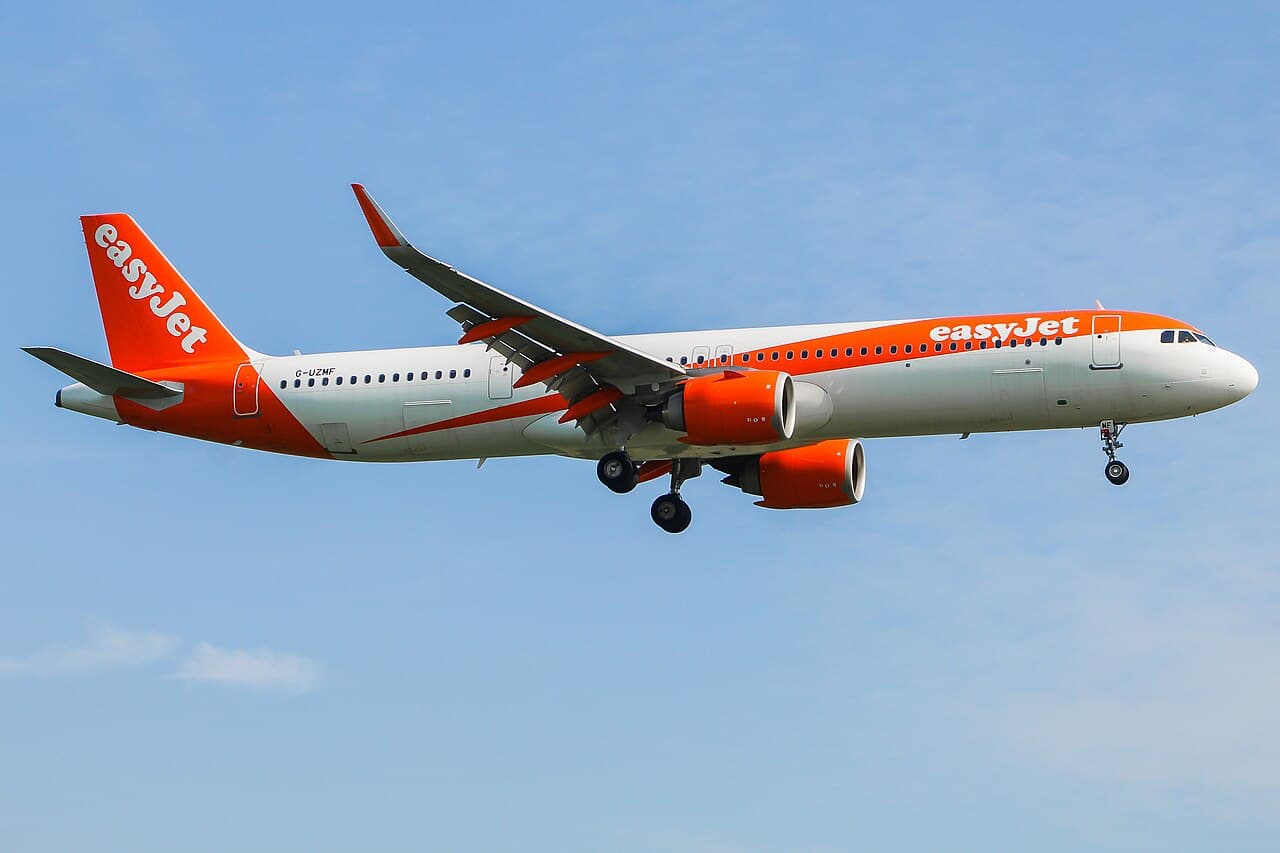
easyJet is one of the largest airlines in Europe by passenger volume, carrying over 90 million passengers per year across more than 1,000 routes. Founded in 1995 by Sir Stelios Haji-Ioannou with a single aircraft operating between London Luton and Glasgow, the airline has grown into a continent-wide operation with bases in the United Kingdom, Switzerland, France, Germany, the Netherlands, Italy, Spain, and Portugal. Its business model — low fares, high frequencies, and point-to-point routes — makes it the go-to carrier for millions of leisure and business travellers every year.
With scale comes complexity. Operating hundreds of daily departures across some of Europe's busiest airports — London Gatwick (LGW), London Luton (LTN), Amsterdam Schiphol (AMS), Berlin Brandenburg (BER), Geneva (GVA), Paris CDG (CDG), Milan Malpensa (MXP), Madrid (MAD), and Barcelona (BCN) — means easyJet flights are exposed to a significant volume of air traffic control delays, weather disruptions, and operational knock-on effects. When these disruptions impact passengers, EU Regulation 261/2004 and its UK equivalent, UK261, create a legal framework for financial compensation of up to €600 or £520.
Understanding exactly which regulation applies to your easyJet flight — and to which legal entity you are making your claim — requires navigating the post-Brexit restructuring that created two distinct easyJet operating entities. This guide explains everything clearly, step by step, and tells you how to maximise your chances of a successful claim.
Claim Your easyJet Compensation
- No win, no fee — you only pay if we succeed
- We handle escalations to UK CAA, DGAC, ILT, and LBA
- Average easyJet claim resolved in 6–10 weeks