There is no airport in Europe quite like Funchal. Officially named Cristiano Ronaldo International Airport after Madeira's most famous son, FNC is renowned throughout the aviation world not for its football-themed terminal, but for one of the most challenging approaches any commercial pilot will ever face.
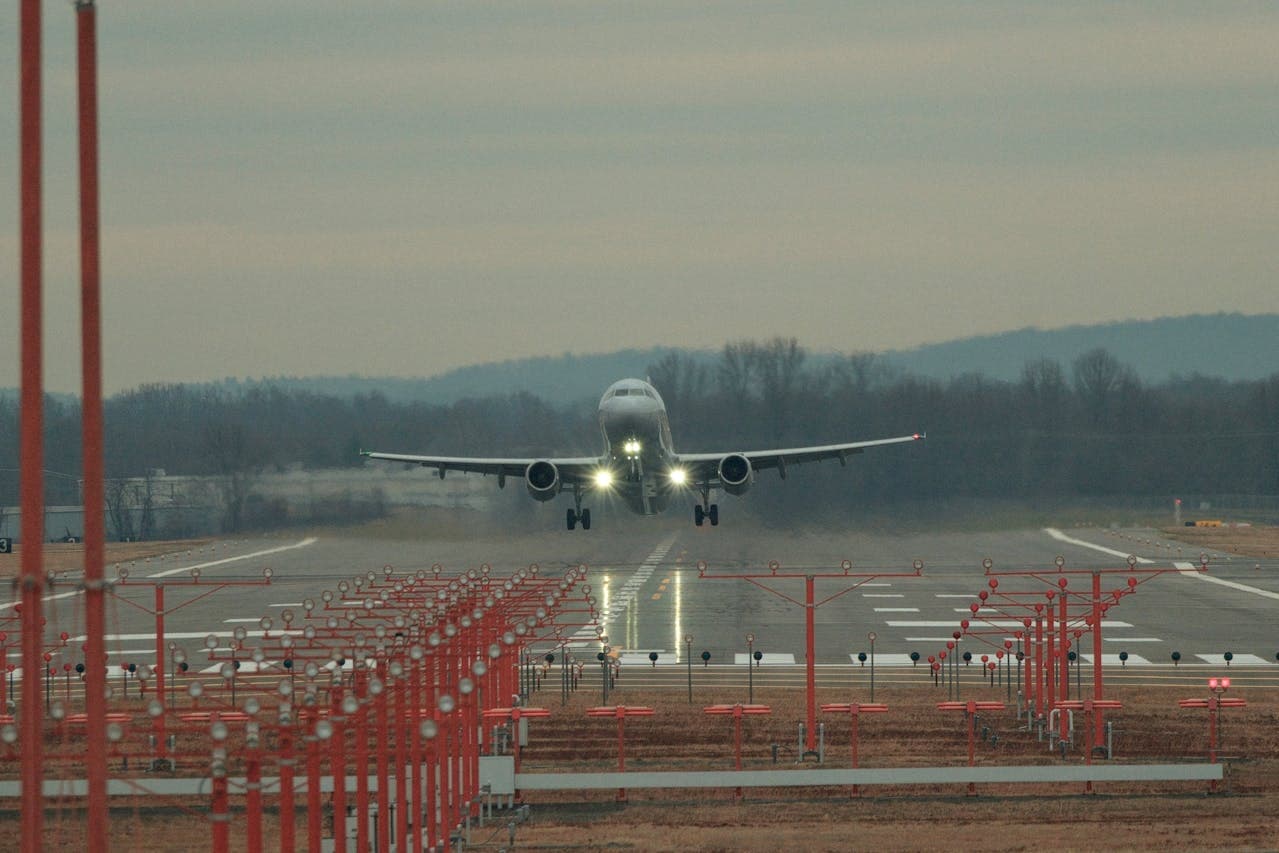
The airport sits on the southern coast of Madeira, a volcanic island that rises dramatically from the Atlantic Ocean. The peaks behind Funchal climb to 1,862 metres — higher than Ben Nevis, higher than most Alpine passes — and they create aerodynamic chaos. Wind flowing over these mountains generates severe turbulence, wind shear, and rotor effects that can slam an aircraft with sudden downdrafts of 30 knots or more on final approach. The runway itself, extended in 2000 on massive concrete pillars over the ocean, juts out from the cliff face at an angle that requires pilots to execute a visual turn at low altitude before lining up to land.
The result: Funchal has one of the highest go-around and diversion rates of any airport in Europe. Pilots must hold special certification to attempt the approach. Aircraft regularly abort landings, circle for another attempt, or divert to Porto Santo island (40 km away), Lisbon (1,000 km away), or the Canary Islands. For passengers, this means delays, diversions, overnight stays at alternate airports, and a level of disruption unmatched at virtually any other European destination.
If your flight at Funchal was delayed by more than 3 hours, diverted, cancelled, or you were denied boarding, you may be entitled to up to €600 in compensation under EU261. But Funchal claims are among the most complex in European aviation because of the constant tension between genuine weather challenges and the fact that airlines knowingly operate at this extreme airport. This guide explains how to navigate that complexity.