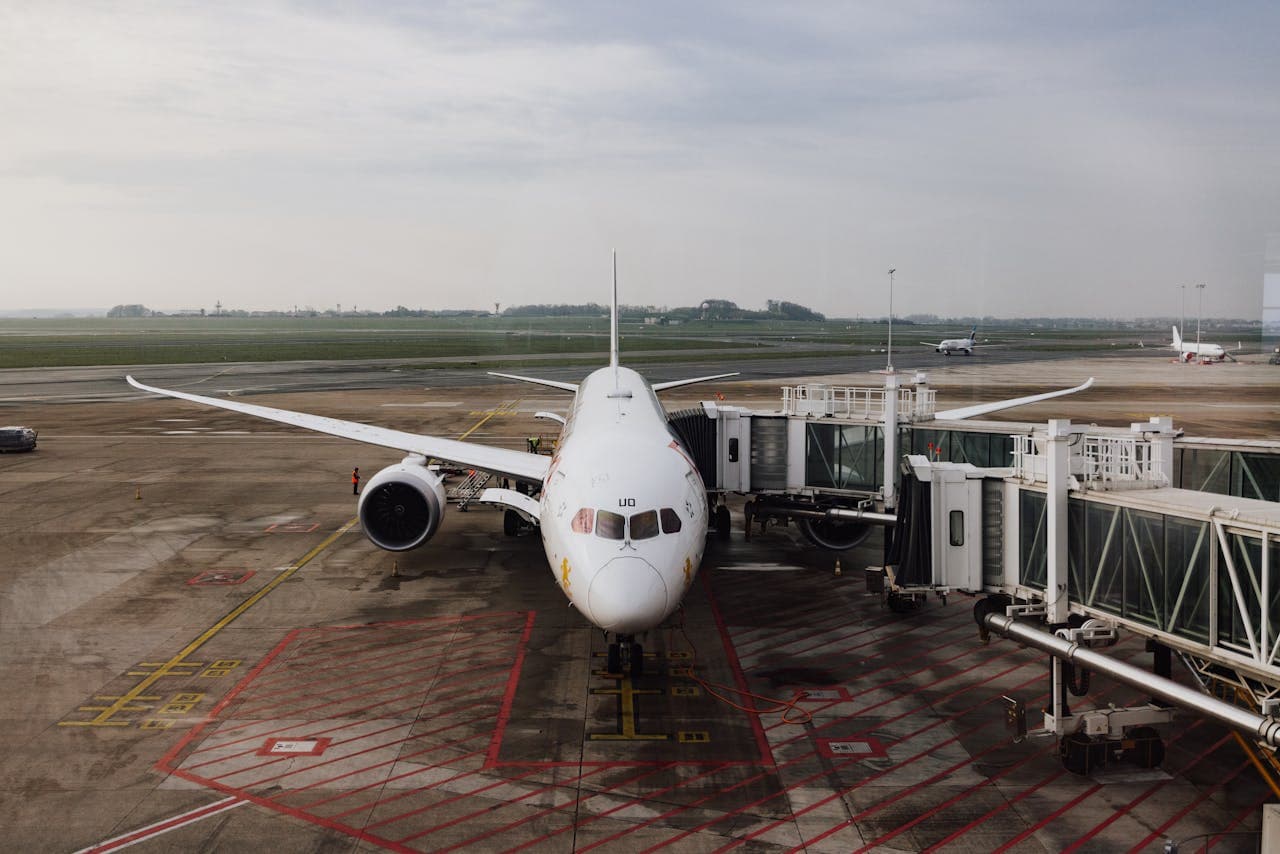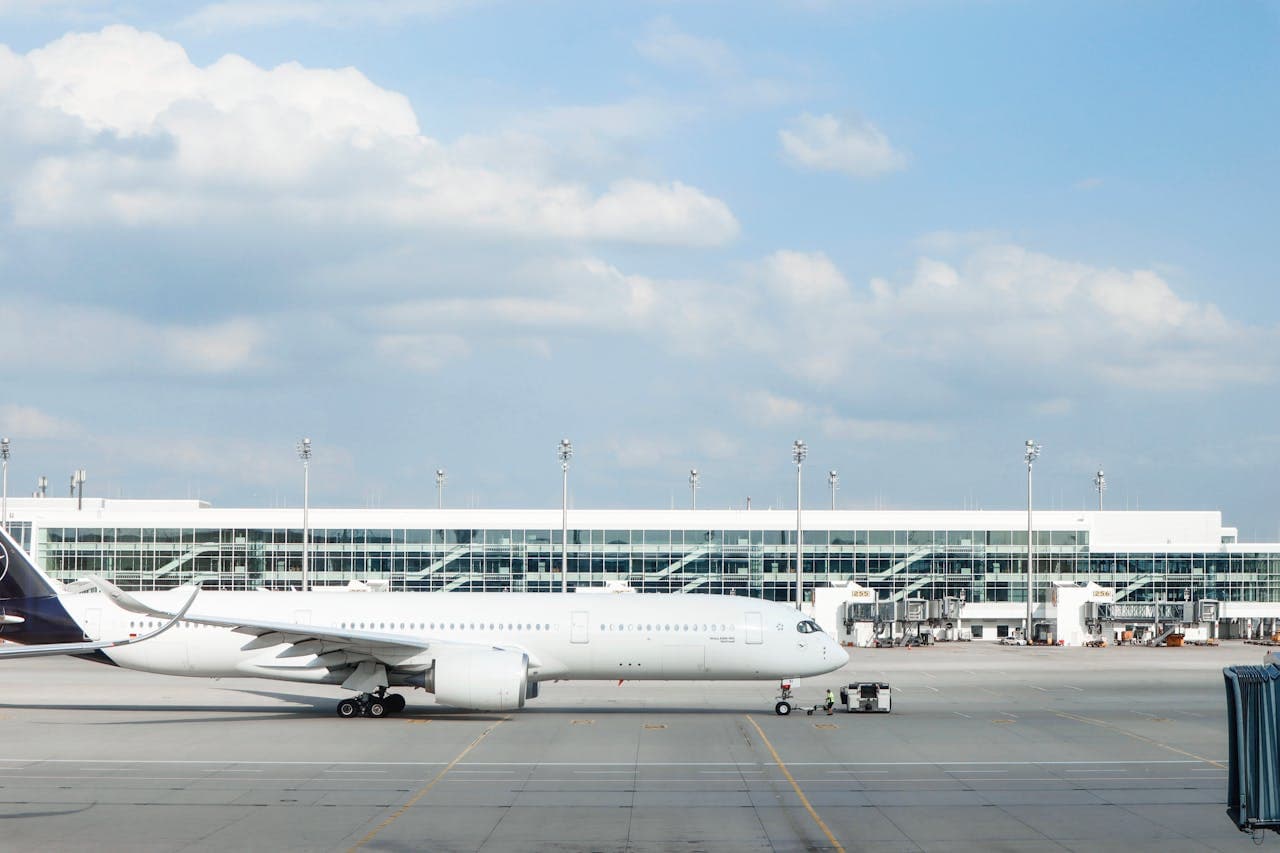
Istanbul Airport (IST) is one of the most extraordinary pieces of aviation infrastructure on the planet. Opened in October 2018 as the replacement for the legendary Ataturk Airport, Istanbul Airport occupies a vast 76.5-million-square-metre site on the European shore of the Black Sea, approximately 35 kilometres northwest of central Istanbul. Its single terminal building — a sweeping, light-filled structure designed by a consortium led by Grimshaw Architects, Nordic, and Haptic — is the largest airport terminal in the world by roof area. The airport currently operates five parallel runways and processes over 90 million passengers annually, making it the busiest airport in Europe and one of the top five busiest in the world.
Istanbul Airport is the mega-hub of Turkish Airlines, one of the world's largest carriers by number of destinations served. Turkish Airlines operates flights from IST to over 340 destinations across six continents, and the airport serves as a critical intercontinental transfer point connecting Europe with Asia, Africa, and the Middle East. This extraordinary connectivity generates enormous passenger volumes — but it also creates an operating environment where delays, cancellations, and missed connections are a daily reality on a massive scale.
For passengers experiencing flight disruptions at Istanbul Airport, the compensation landscape is uniquely complex. Turkey is not a member of the European Union, which means EU Regulation 261/2004 does not automatically blanket every flight. Understanding precisely when EU261 applies — and when it does not — is the essential first step in exercising your rights.