Understanding the causes of delay at Liverpool helps you assess the strength of your claim. In almost every case, the factors that disrupt LPL operations are foreseeable and within the airline's control or planning responsibility.
Ryanair and easyJet: The Turnaround Pressure Cooker
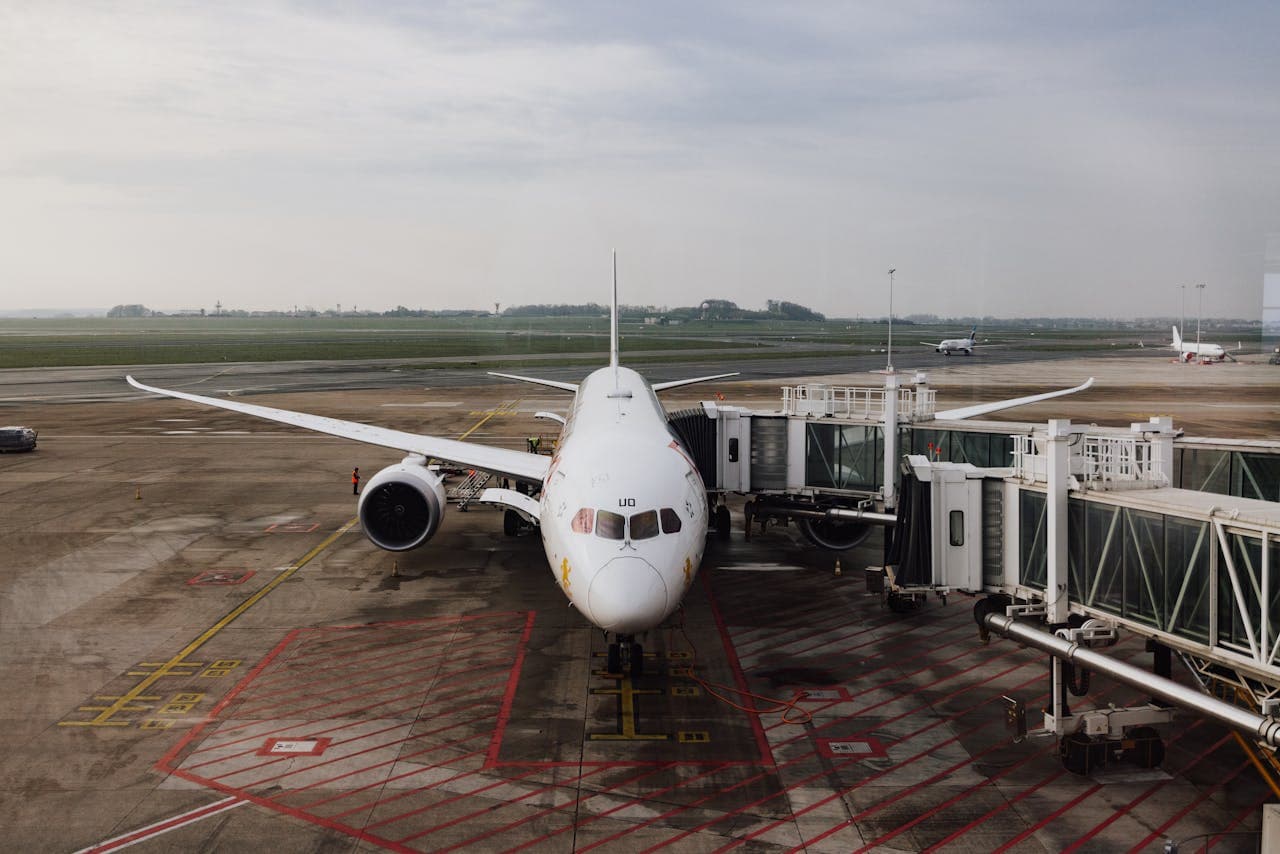
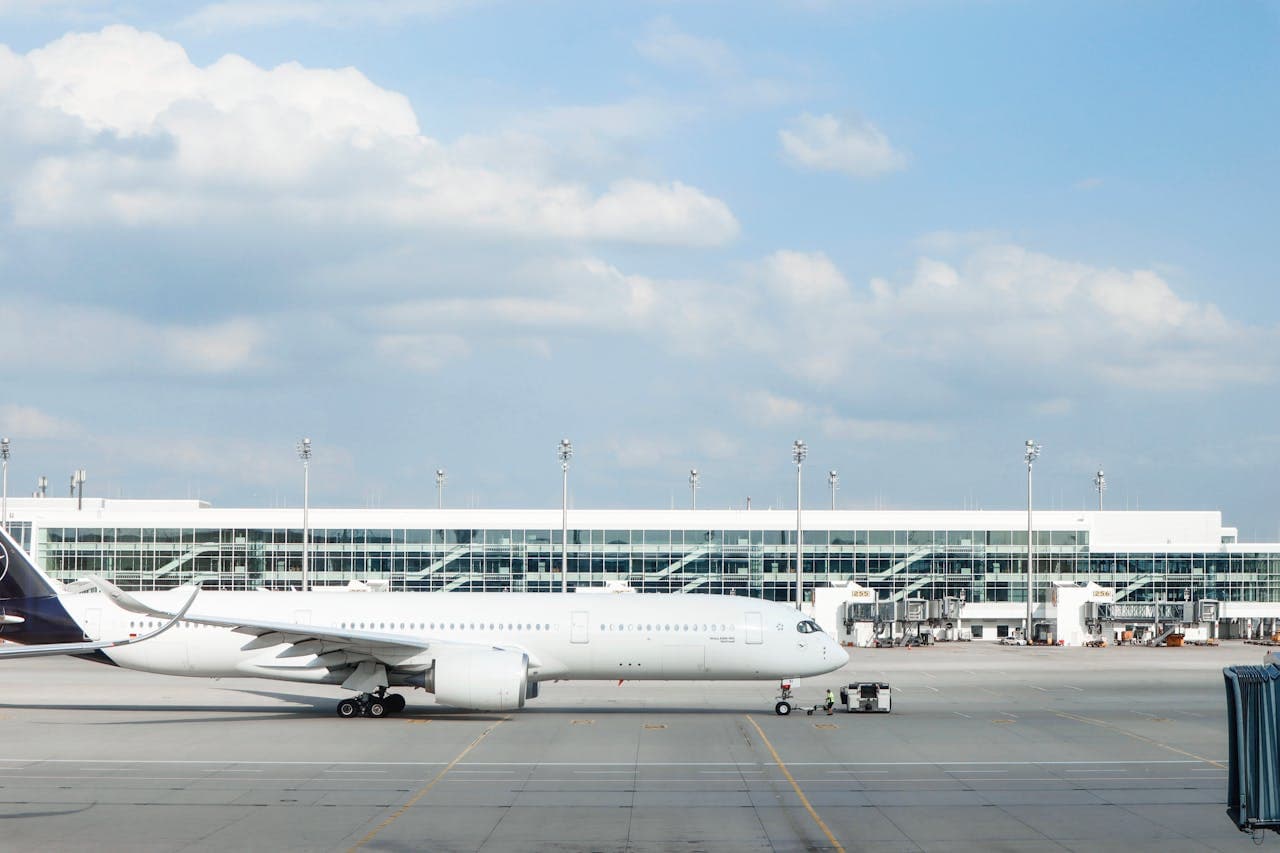
Ryanair and easyJet together account for the overwhelming majority of Liverpool's passenger traffic. Both airlines operate a high-utilisation business model where each aircraft completes multiple daily rotations. At Liverpool, aircraft spend as little as 25 minutes on the ground between flights — just enough time to disembark passengers, clean the cabin, refuel, board the next load, and push back.
This model is ruthlessly efficient when everything runs perfectly. The problem is that nothing runs perfectly all day, every day. A 15-minute delay on the first morning flight from Liverpool cascades through every subsequent rotation on that aircraft. By late afternoon, a 15-minute morning delay can become a 90-minute evening delay. During summer peaks, when aircraft are operating five or six rotations daily from LPL, the cascade effect is devastating.
Claim impact: An airline's turnaround schedule is its own business decision. When that schedule leaves zero buffer for routine operational variations, the resulting cascading delays are entirely the airline's responsibility. The landmark Huzar v Jet2 Court of Appeal decision (2014) confirmed that operational issues inherent to airline scheduling are not extraordinary circumstances. Ryanair knock-on delay claims from Liverpool are among the most straightforward in UK aviation law.
Irish Sea and Mersey Estuary Weather
Liverpool Airport's geographic position creates a specific and well-documented microclimate. The airport sits where three weather influences converge: Atlantic weather systems arriving from the west across the Irish Sea, moisture-laden air from the Mersey estuary immediately to the south, and colder continental air from the east during winter.
This convergence produces several regular weather phenomena:
- Radiation fog — Enhanced by Mersey moisture, fog forms on approximately 20 to 30 days per year, concentrated from October to February. Morning fog can reduce visibility below ILS approach minimums for several hours.
- Crosswinds — The prevailing westerly winds channel along the estuary and strike the airport at angles that can exceed crosswind limits for smaller aircraft. The runway orientation (09/27) is roughly east-west, but wind gusts from the southwest or northwest create challenging crosswind components.
- Atlantic squalls — Frontal systems from the Irish Sea bring sudden onset rain, gusty winds, and rapid visibility changes that can temporarily halt operations.
Claim impact: Every one of these weather patterns is documented by decades of Met Office records. Airlines operating from Liverpool have access to complete climatological data for the Mersey estuary microclimate. Routine seasonal fog, regular crosswinds, and normal Atlantic fronts are foreseeable and not extraordinary. Only genuinely exceptional events — a named storm with unprecedented wind speeds, visibility conditions significantly outside historical norms — might qualify. We verify actual METAR records and operational data for every claim.
The Beatles Heritage Problem: Tourism Peaks
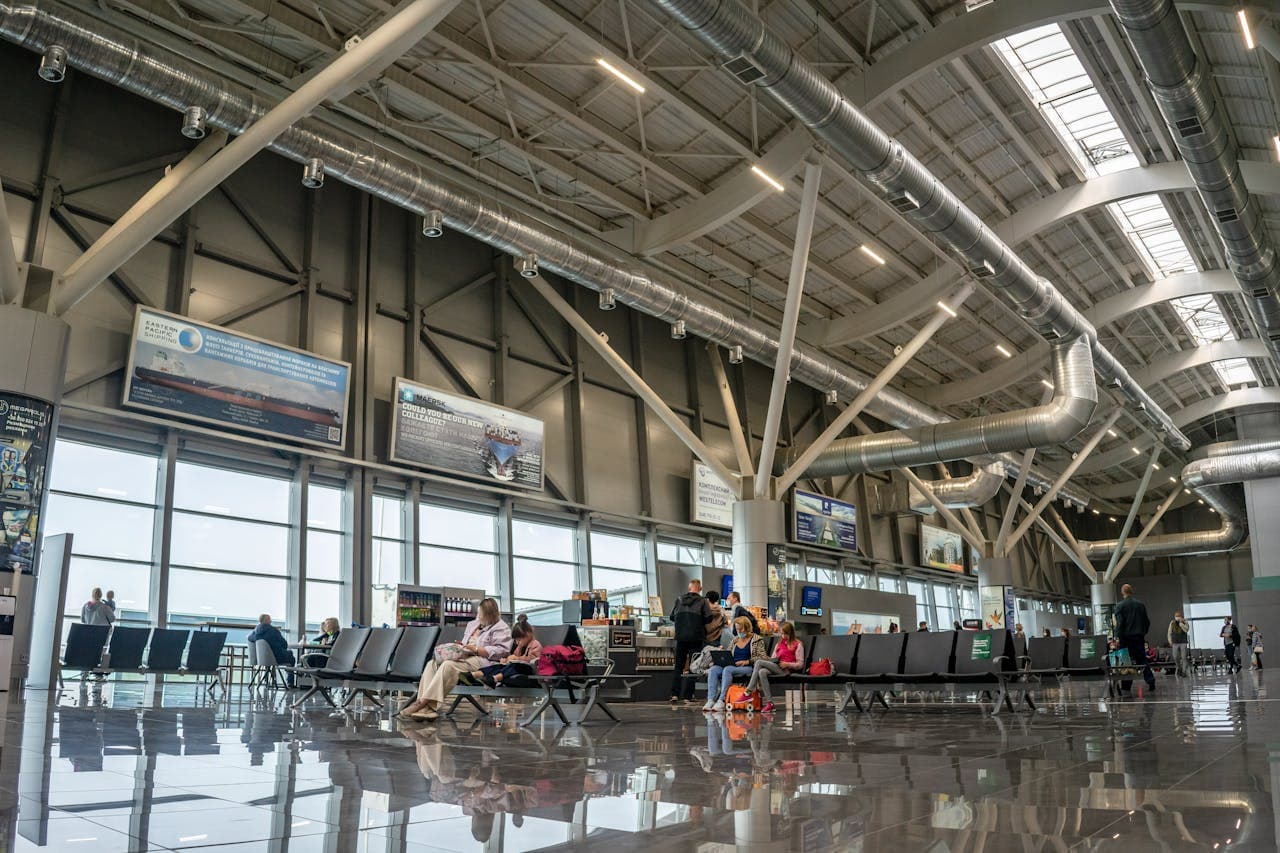
Liverpool's status as a global tourism destination — driven by Beatles heritage, Premier League football, and a vibrant cultural scene — creates sharp seasonal demand peaks. Summer months and school holidays see passenger numbers surge, particularly on routes to Mediterranean sun destinations. This tourism-driven demand compresses departures into narrow windows, overwhelming check-in halls, security lanes, and gate areas.
Claim impact: Tourism demand is entirely predictable. Airlines and the airport authority have complete data on seasonal booking patterns. Resource planning for known peaks is a basic operational obligation. Delays caused by overwhelmed airport infrastructure during predictable busy periods are compensable.
Single Terminal, Single Runway: Zero Redundancy
Liverpool operates a single terminal and a single runway (09/27, 2,286 metres). There is no backup runway, no second terminal, and minimal stand redundancy. When the runway requires emergency maintenance, every flight stops. When a gate is blocked by a delayed turnaround, subsequent departures stack up immediately. A single ground handling problem can bottleneck the entire operation.
Claim impact: The airport's infrastructure limitations are permanent, published, and completely foreseeable. Airlines choose to operate from Liverpool knowing these constraints. Infrastructure-related delays are the airline's problem to manage through adequate scheduling and contingency planning.