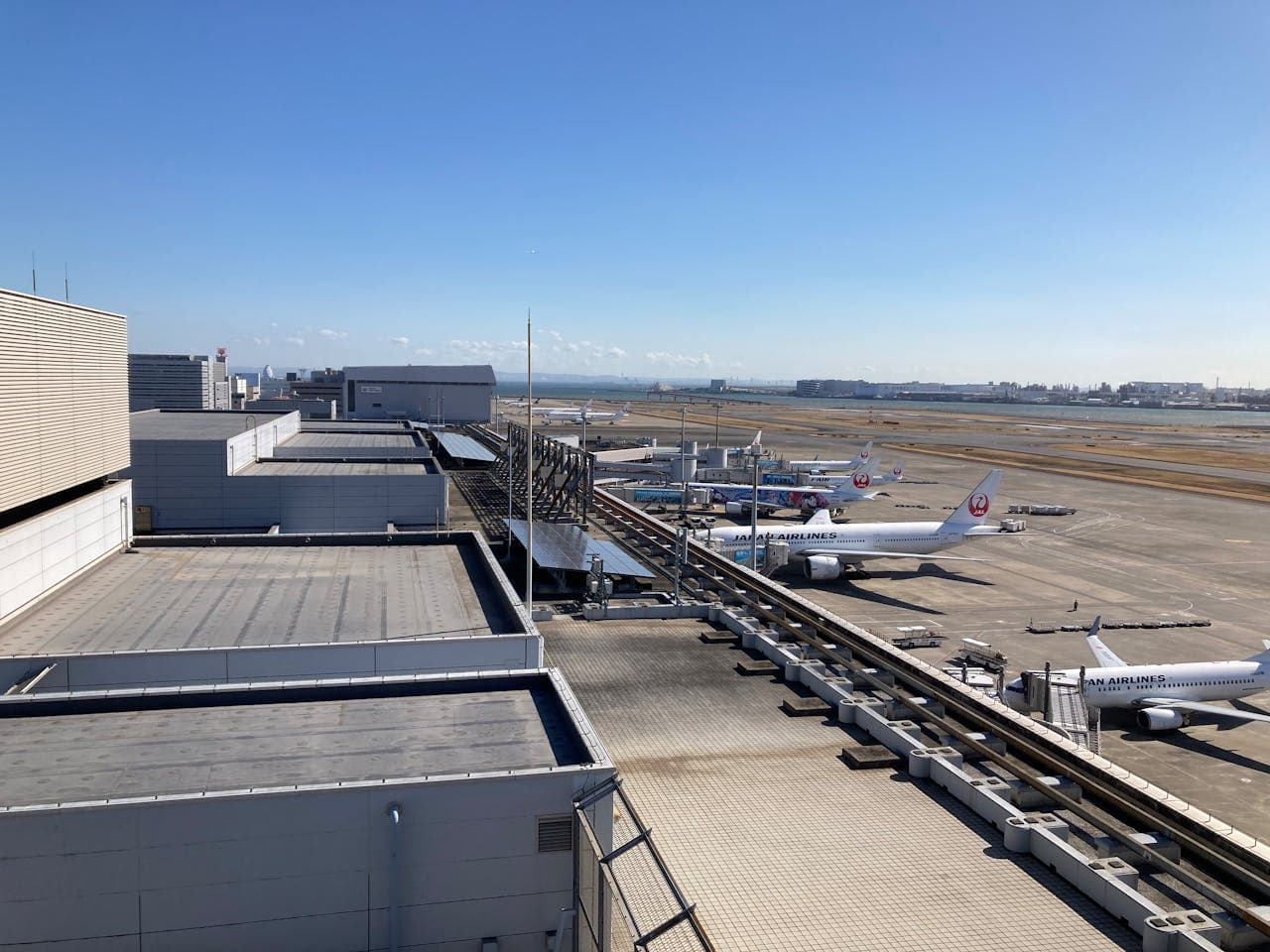
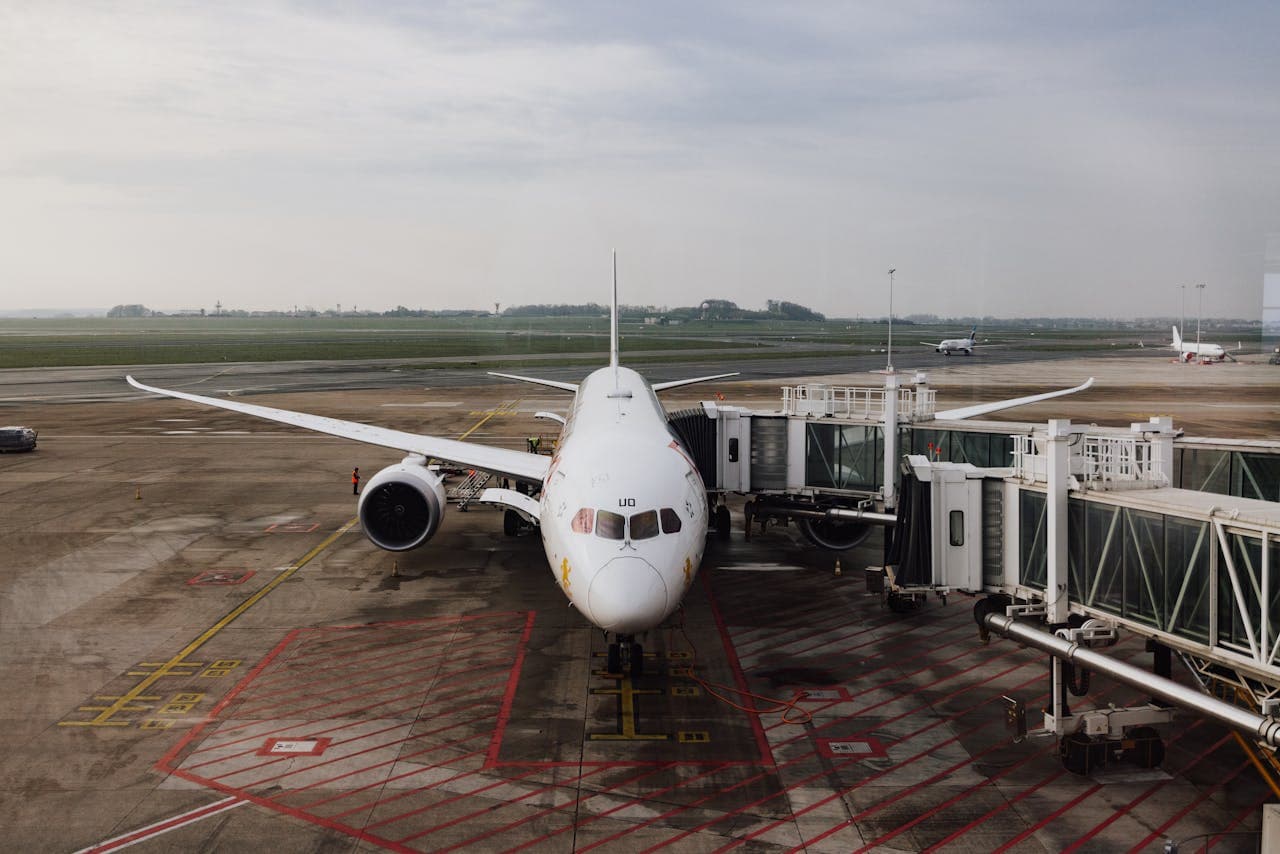
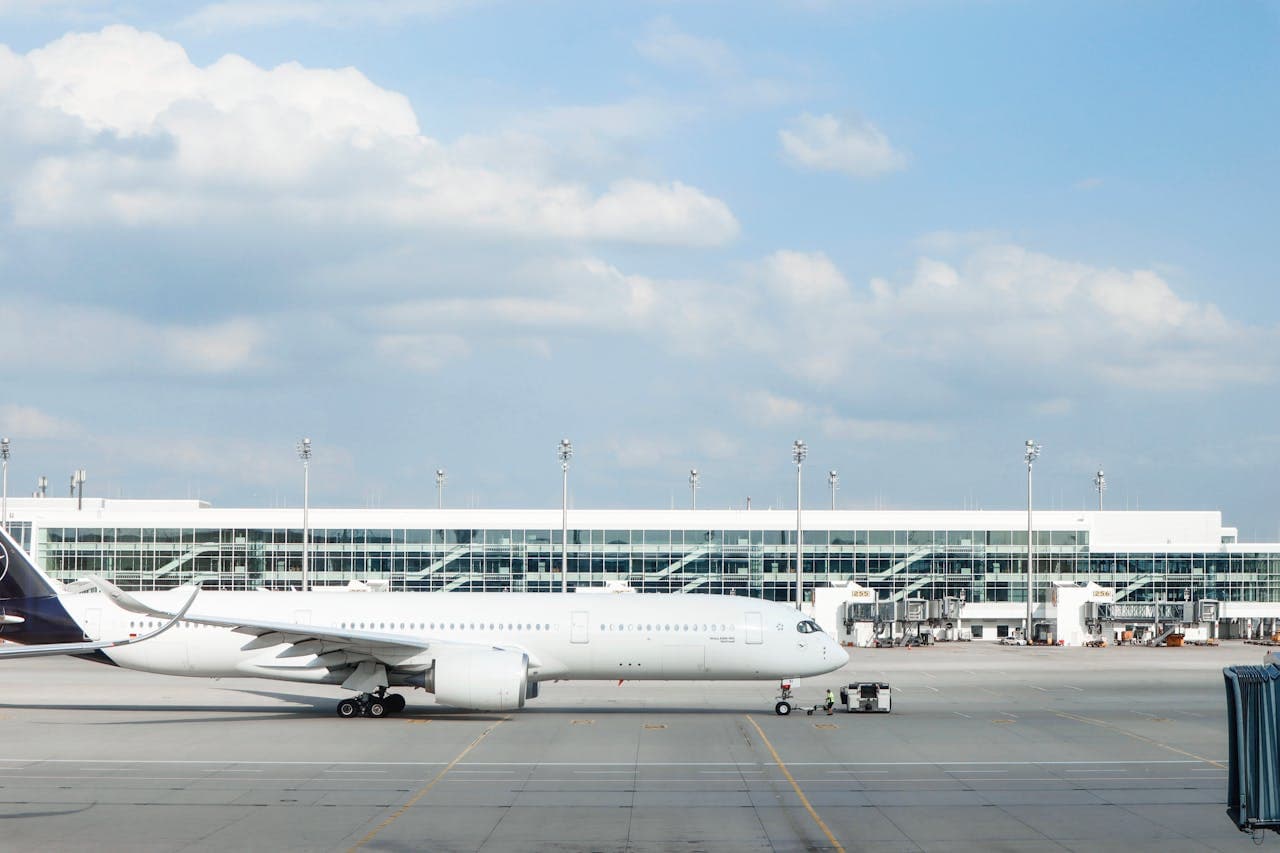
Understanding the common causes of disruption at AGP helps you assess whether your claim is likely to succeed, because airlines frequently cite reasons that sound legitimate but do not actually qualify as extraordinary circumstances under EU261.
Summer Congestion and Terminal Pressure
Malaga's passenger traffic is intensely seasonal. Of the airport's 22 million annual passengers, the vast majority travel between June and September. During peak summer weeks, AGP operates near maximum capacity across its terminal facilities, apron stands, and ground handling resources. The airport expanded Terminal 3 in 2010, adding significant capacity, but summer demand has continued to grow. Gate congestion, departure sequencing delays, and ground handling bottlenecks create cascading disruptions throughout each operating day.
Claim impact: Summer congestion at Malaga is entirely predictable. Airlines choose to operate dense summer schedules because the Costa del Sol routes are highly profitable. Capacity pressure is an operational reality that airlines must plan for — it is not an extraordinary circumstance. Claims based on congestion-related delays at AGP are regularly successful.
Saharan Dust Events (Calima)
Southern Spain's proximity to the Sahara Desert means that hot, dust-laden air masses periodically drift northward across the Strait of Gibraltar. These calima events can coat aircraft surfaces with fine sand, reduce visibility, and in severe cases force temporary airport closures. Calima is most common in summer and early autumn, exactly when Malaga is at peak capacity.
Claim impact: While an extreme calima event with visibility below instrument landing minimums may qualify as an extraordinary circumstance, mild to moderate calima is a well-documented, seasonal phenomenon in this region. Airlines that have been operating from AGP for years cannot credibly claim that routine Saharan dust is unforeseeable. We check actual METAR weather data and visibility readings for every calima-related claim.
Afternoon Mediterranean Sea Breezes
Like many Mediterranean coastal airports, Malaga experiences daily sea breeze effects during the warm months. As the land heats up during the afternoon, cooler air from the Mediterranean flows inland, often shifting wind direction and requiring runway configuration changes. Each runway change temporarily reduces airport capacity and creates departure queues.
Claim impact: Sea breezes at a coastal Mediterranean airport are daily occurrences from May through October. Airlines scheduling afternoon departures from Malaga are expected to factor this known pattern into their planning. Sea breeze-related delays are not extraordinary circumstances.
Low-Cost Carrier Turnaround Pressure
Ryanair and easyJet, the two largest operators at Malaga, schedule aggressive 25-minute turnarounds to maximise aircraft utilisation and keep costs low. This means the aircraft that will operate your flight arrives from another destination and must be unloaded, cleaned, refuelled, reloaded, and pushed back within a very tight window. When any element of this chain runs late — even by a few minutes — the delay cascades throughout the entire day's schedule for that aircraft.
Claim impact: Turnaround scheduling is entirely within the airline's control. An airline that deliberately chooses tight turnaround times to maximise profit cannot then claim that the resulting delays are extraordinary. These claims are among the most straightforward and successful.
Extreme Summer Heat
Malaga regularly experiences temperatures above 35 degrees Celsius in July and August, with occasional spikes above 40 degrees. Extreme heat affects aircraft performance (reducing lift and payload capacity), can cause tarmac softening, and creates heat haze that may affect visibility on approach. Heavily loaded aircraft may require weight restrictions, occasionally bumping passengers or offloading baggage.
Claim impact: Summer heat in Andalusia is entirely predictable and well within normal operating parameters for modern aircraft. Airlines are expected to plan for temperature-related performance limitations at a southern Spanish airport. Heat-related delays and cancellations at AGP are generally compensable.