
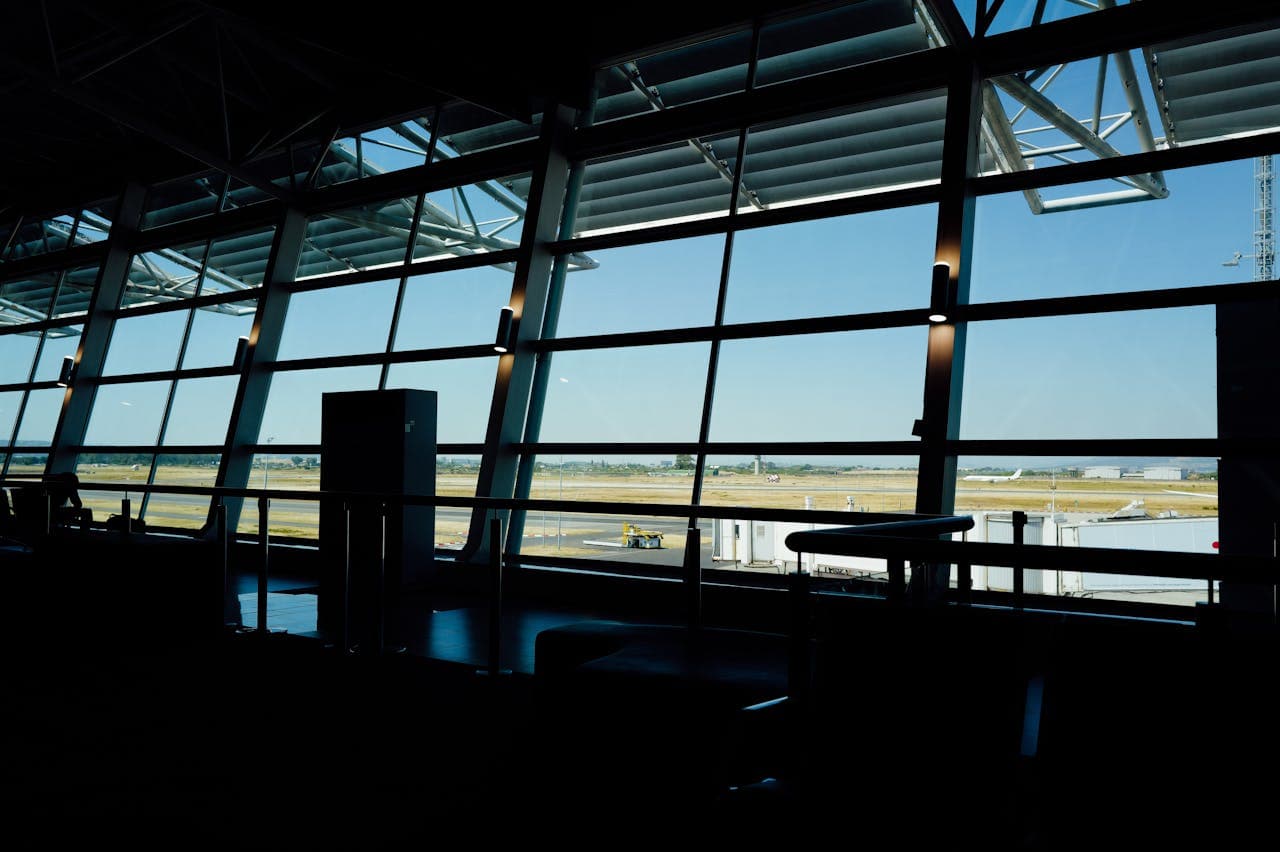
Ohrid St. Paul the Apostle Airport (OHD) is the kind of airport where everything about your trip hangs by a thread. With approximately 200,000 passengers per year — less than a tenth of what Skopje handles — and a flight schedule that is almost entirely seasonal, one cancelled flight at Ohrid does not just inconvenience you. It can end your holiday.
Ohrid itself is extraordinary. A UNESCO World Heritage Site since 1979, the town sits on the shore of Lake Ohrid, one of Europe's deepest and oldest lakes — a body of water that has existed continuously for over two million years. Visitors come for the Byzantine churches, the ancient town architecture, and the stunning lake setting hemmed in by mountains. It is one of the Balkans' most treasured destinations.
But the same geography that makes Ohrid beautiful makes its airport treacherous. The lake creates a microclimate that breeds morning fog. Mountains surround the basin on three sides, complicating approaches and narrowing the weather window in which aircraft can safely land. And because Ohrid's airport operates almost exclusively as a seasonal summer facility, the infrastructure, staffing, and contingency planning are all calibrated for a few months of the year — not for the kind of resilience that passengers at major airports take for granted.
If your flight at Ohrid Airport was delayed by more than 3 hours, cancelled without proper notice, or you were denied boarding, you may be entitled to up to €600 in compensation under EU261 — but only if specific conditions are met. This guide explains what those conditions are, why Ohrid's unique geography matters, and what to do when you are stranded beside Europe's oldest lake with no flight home.