Summer Tourism Surges and Capacity Pressure
The fundamental challenge at Szymany is the extreme seasonality of its traffic. During winter months, the airport may handle only a handful of flights per week — primarily domestic connections to Warsaw. But when the Masurian summer season begins in June, the picture transforms dramatically. Charter operators add seasonal routes to holiday destinations, low-cost carriers launch summer-only services to Western European cities, and domestic frequencies increase to serve the tourism influx.
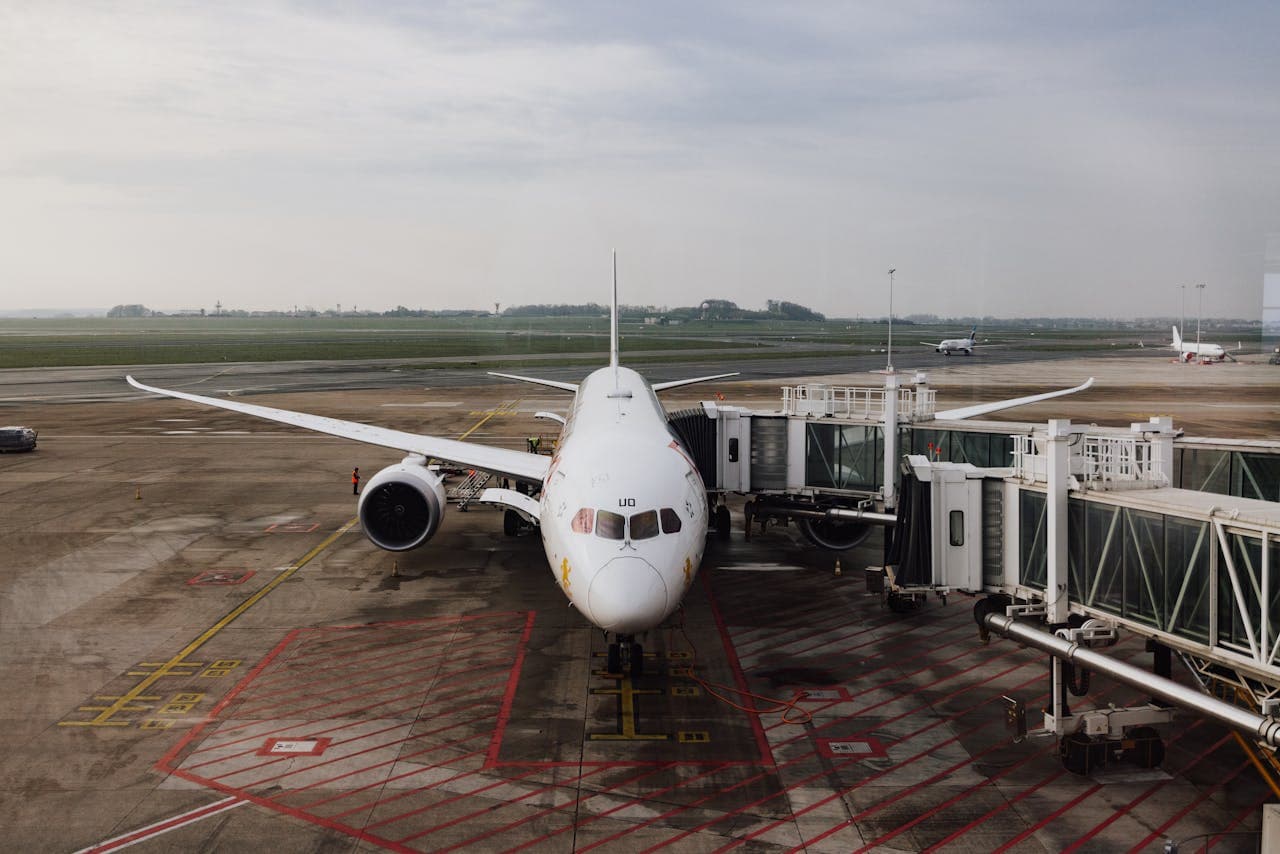
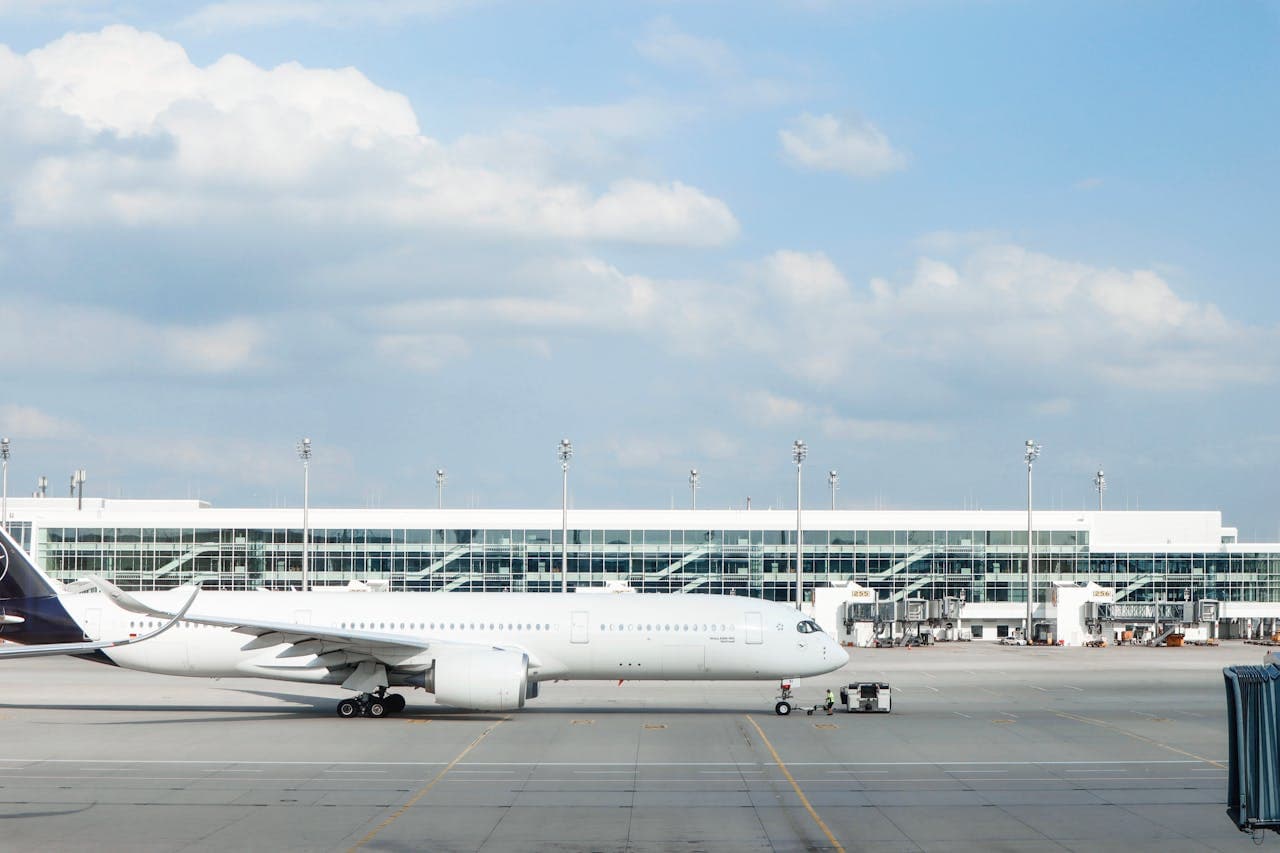
This seasonal surge pushes every element of Szymany's infrastructure to its limits. The single runway must accommodate a dramatically increased movement rate. The modest terminal building fills with passengers. Ground handling teams — often staffed at minimal levels during the quiet winter months — must scale up rapidly. Aircraft parking stands fill to capacity.
Claim impact: Seasonal demand is the most foreseeable factor in aviation. Airlines plan their summer schedules months in advance. Tour operators contract charter capacity based on detailed booking forecasts. If an airline overcommits to Szymany's limited infrastructure during peak season and delays result, this is squarely within their operational control and always compensable.
Continental Climate: Masurian Winters and Summer Storms
Masuria has a continental climate with greater temperature extremes than western Poland. Winters are long and cold, with average January temperatures around -5 degrees Celsius and frequent snowfall from November through March. The lake district's humidity adds fog risk, particularly during autumn when temperature differentials between warm lake surfaces and cooling air create dense mist.
Summers bring their own weather challenges. The flat, lake-dotted landscape of Masuria is prone to convective thunderstorms, particularly in July and August. These storms can develop rapidly, producing lightning, heavy rain, and gusty winds that temporarily halt airport operations.
| Season | Primary Weather Risk | Frequency | Extraordinary? |
|---|
| Winter (Nov–Mar) | Snow, ice, sub-zero temperatures, de-icing | Regular, well-documented | Almost never — entirely foreseeable |
| Spring (Apr–May) | Late frosts, variable winds | Occasional | Rarely — known seasonal pattern |
| Summer (Jun–Aug) | Thunderstorms, heavy rain, gusty winds | Periodic, typical for region | Only if unprecedented severity |
| Autumn (Sep–Oct) | Lake fog, early frost, low visibility | Regular in lake district | Almost never — documented pattern |
Claim impact: Every weather pattern affecting Szymany is documented in decades of meteorological records. Airlines scheduling flights to a lakeland airport in northeastern Poland during winter or summer must account for the known weather risks. Routine seasonal weather is not extraordinary. Only a genuinely unprecedented event of historic severity — far beyond normal seasonal patterns — could potentially qualify.
Limited Ground Handling and Maintenance Resources
As a small regional airport, Szymany operates with minimal ground handling infrastructure compared to Poland's major hubs. There are fewer ground service vehicles, a smaller team of handlers, and limited maintenance capability on-site. When an aircraft develops a technical issue at Szymany, the parts and engineers may need to come from Warsaw, Gdansk, or even further — a process that can take many hours.
Similarly, if a crew member becomes unfit to fly, sourcing a replacement crew member to a remote airport in Masuria is far more challenging than at a major hub where standby crews are available. The airline's logistics challenge is greater, and the resulting delay for passengers is typically longer.
Claim impact: Airlines that choose to operate flights to remote airports accept the logistical challenges that come with limited local resources. The absence of on-site spare parts, backup crew, or rapid maintenance response is a foreseeable consequence of the airline's route planning decisions. These are operational issues, not extraordinary circumstances.
The 58-Kilometre Access Problem
Szymany's distance from Olsztyn and any other significant town creates a compounding problem when flights are disrupted. Stranded passengers cannot simply catch a train or bus to an alternative airport — the nearest alternatives are Warsaw Chopin (230 km) or Warsaw Modlin (200 km), both requiring multi-hour road journeys. There is no railway connection to the airport, and local bus services are infrequent.
This isolation means that when an airline cancels a flight at Szymany, the rebooking options are exceptionally limited. Passengers may face the choice of waiting potentially days for the next scheduled flight or arranging their own lengthy road transport to Warsaw.
Claim impact: While distance does not directly affect compensation amounts, it significantly strengthens your right-of-care claims. The airline's obligation to provide transport, accommodation, meals, and communications is heightened when passengers are stranded at a remote location with no independent alternatives. If the airline abandoned you at Szymany without arranging care, your additional expense claims for self-arranged transport, hotels, and meals are well-founded.