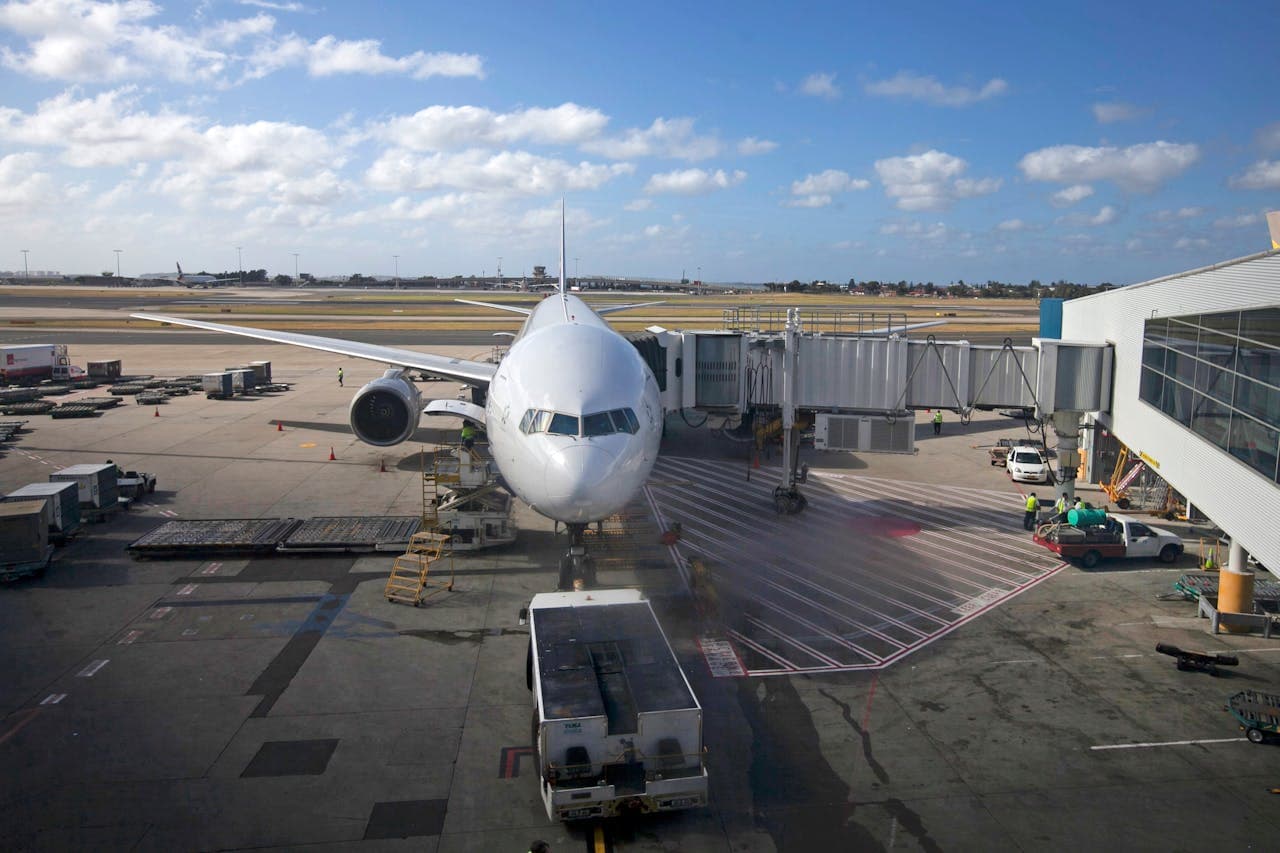
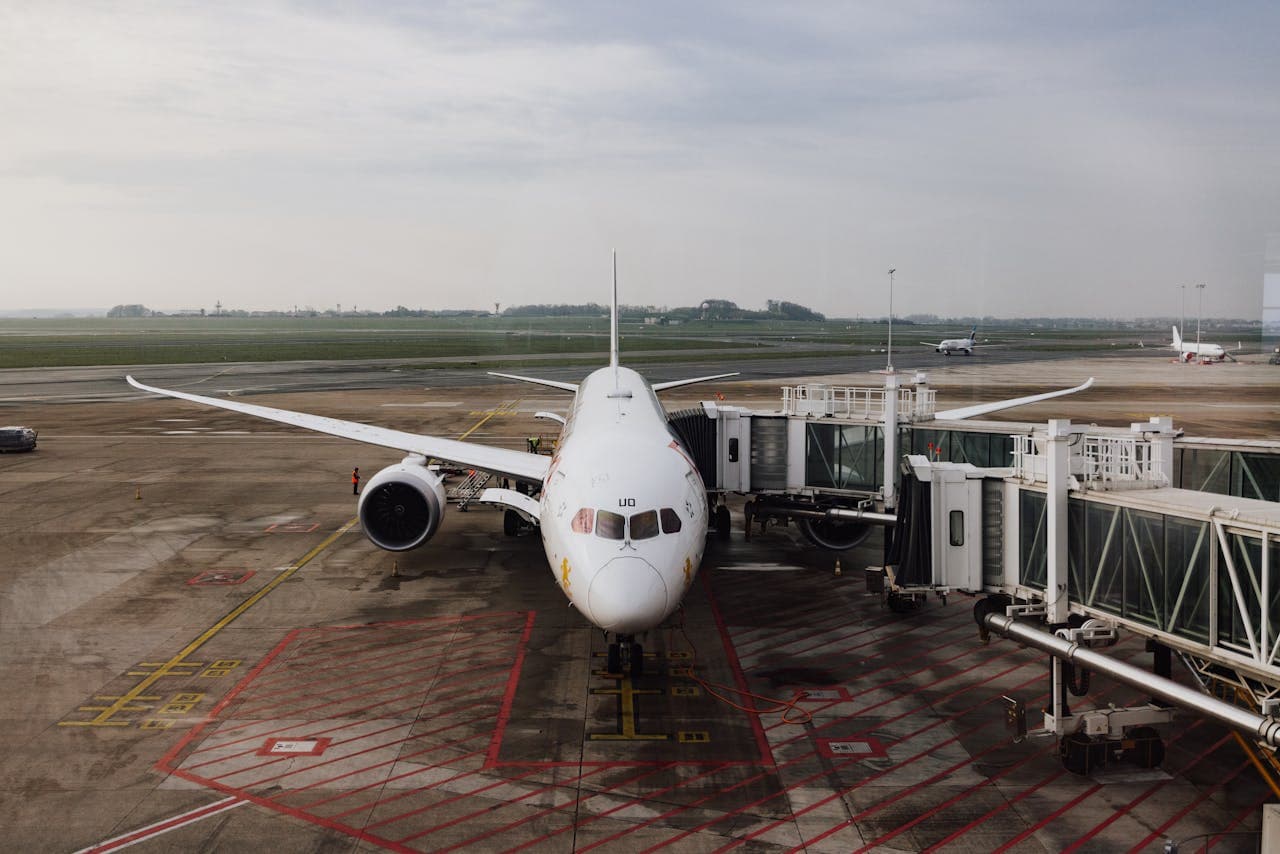
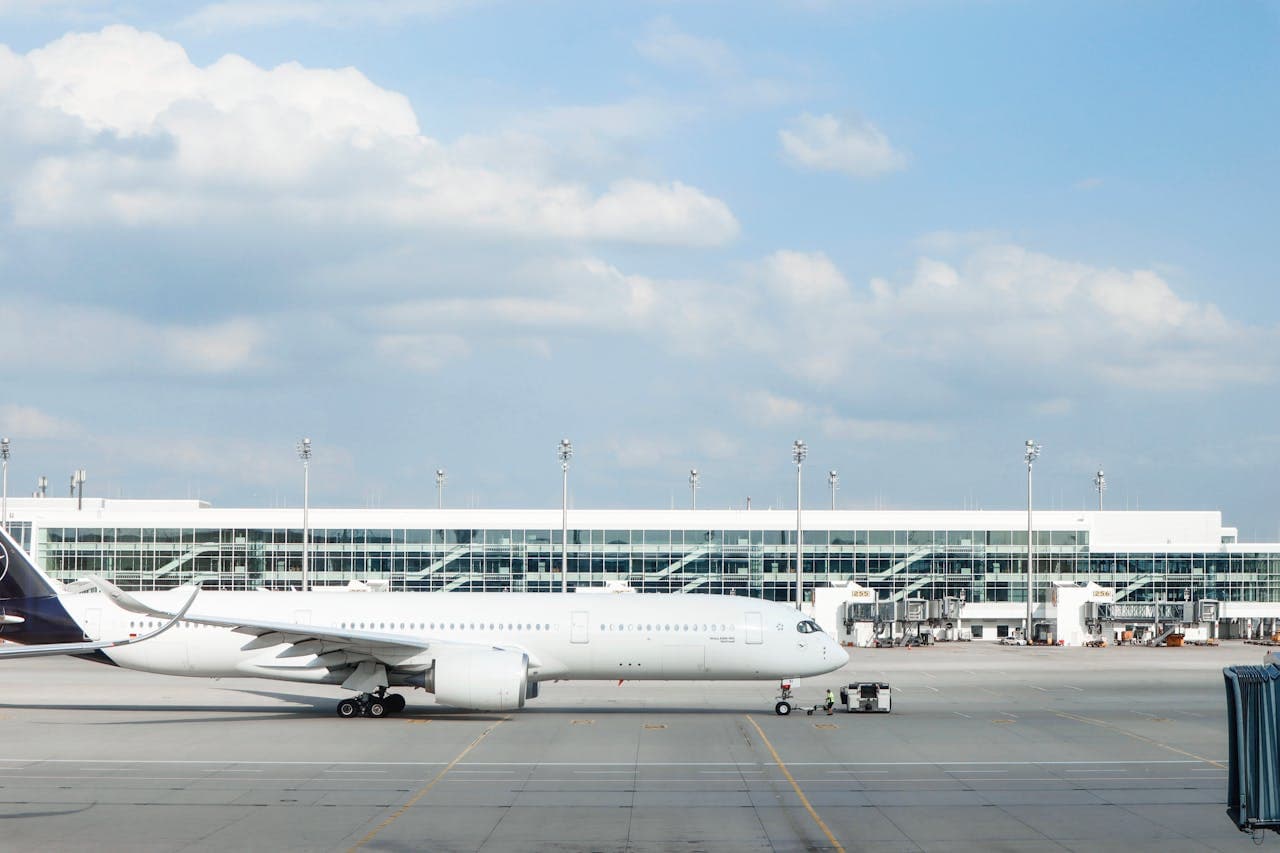
The Făgăraș mountains are the highest range in the Southern Carpathians and among the most imposing mountain barriers in all of Europe. Their steep, wall-like ridgeline rises from roughly 500 metres in the foothills to over 2,500 metres at the crest in a horizontal distance of barely 15 kilometres. For aircraft operating at Sibiu, this mountain wall is the dominant geographic reality.
Rotor Winds and Lee Turbulence
When wind flows over a mountain range, it doesn't simply continue smoothly on the other side. On the lee side (downwind), the air descends, compresses, and can create rotating patterns called rotor winds. These rotors generate severe turbulence at altitudes between the mountain top and the ground — precisely the altitudes that aircraft use during approach and departure at Sibiu.
Southerly winds are particularly problematic. When air flows northward over the Făgăraș, the lee-side turbulence falls directly over the Sibiu airport area. Pilots report sudden altitude drops, uncommanded roll inputs, and wind shear events that can force go-arounds or diversions.
Claim impact: Mountain rotor winds at SBZ are a known aerodynamic phenomenon. Airlines operating at Sibiu choose to fly into a mountain airport. While individual turbulence events may be classified as extraordinary, repeated disruptions during known wind patterns suggest the airline should have better contingency planning.
Orographic Weather: When Mountains Build Their Own Storms
Mountains force air upward, and as moist air rises over the Făgăraș, it cools, condenses, and forms clouds. This orographic lifting can generate rapid cloud development over and near the mountains, sometimes producing thunderstorms, heavy rain, or snow that affect the airport with little advance warning. A clear morning at SBZ can become an instrument-conditions afternoon within an hour as mountain-generated weather moves over the airfield.
Claim impact: Rapid weather formation is a mountain airport characteristic. Airlines that schedule tight connections at SBZ without building in weather buffers are taking a calculated risk — one they must bear responsibility for when it results in delays.
Cibin Valley Fog: The Depression Trap
Sibiu sits in a valley formed by the Cibin river, a natural depression surrounded by higher terrain on all sides. During autumn and winter, this bowl-shaped geography traps cold air at the surface while warmer air sits above — the classic temperature inversion. Moisture from the Cibin river, nearby reservoirs, and agricultural land condenses within this trapped layer, producing fog that can persist for days.
The fog at SBZ is particularly challenging because the surrounding terrain prevents wind from dispersing it. The depression acts like a bowl holding a pool of fog, and it doesn't clear until the inversion breaks — which during extended high-pressure periods can take 48-72 hours.
Claim impact: Cibin valley fog is one of the most documented and predictable weather phenomena in Transylvania. Airlines that fly winter schedules to Sibiu without accounting for multi-day fog events are making operational choices that they cannot later claim as extraordinary circumstances. The fog is ordinary here — it's the airline's preparation that determines whether a delay is compensable.