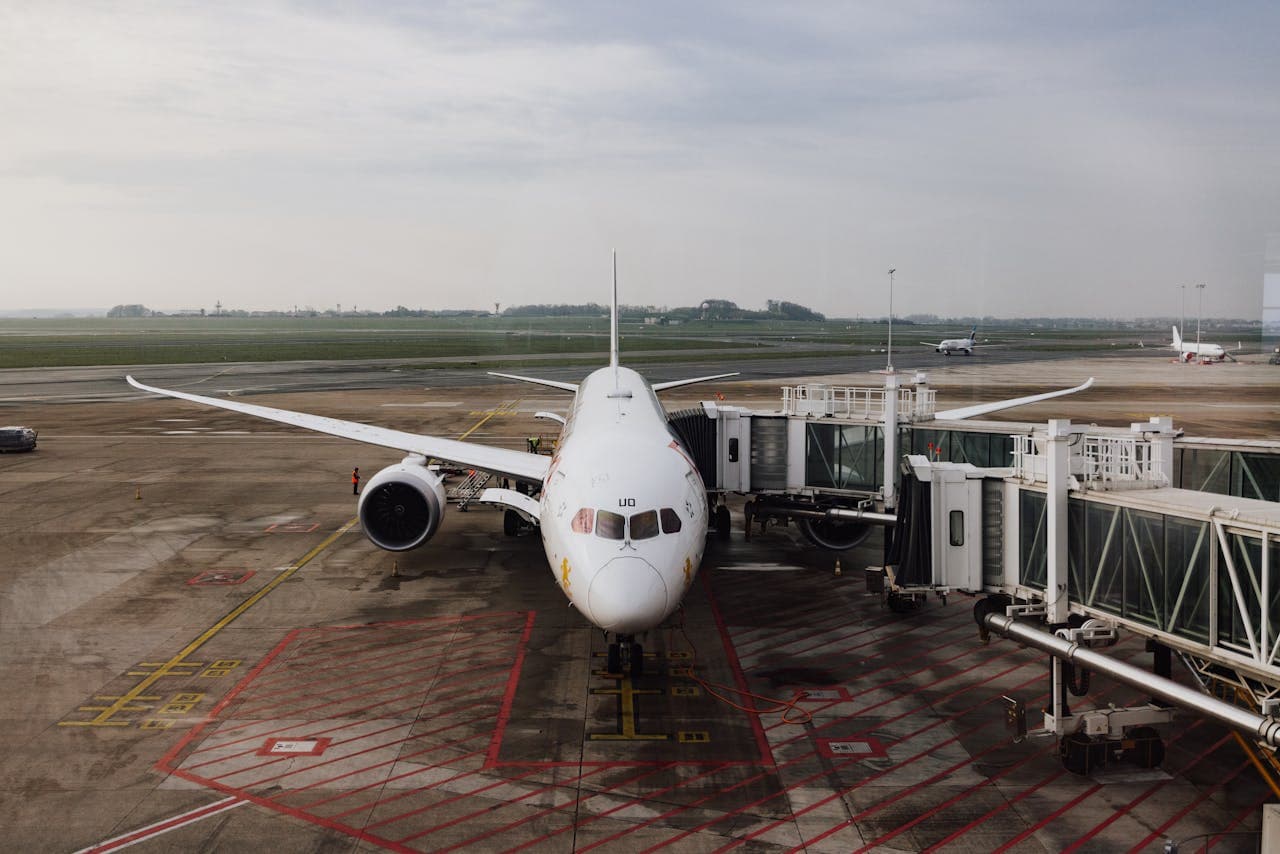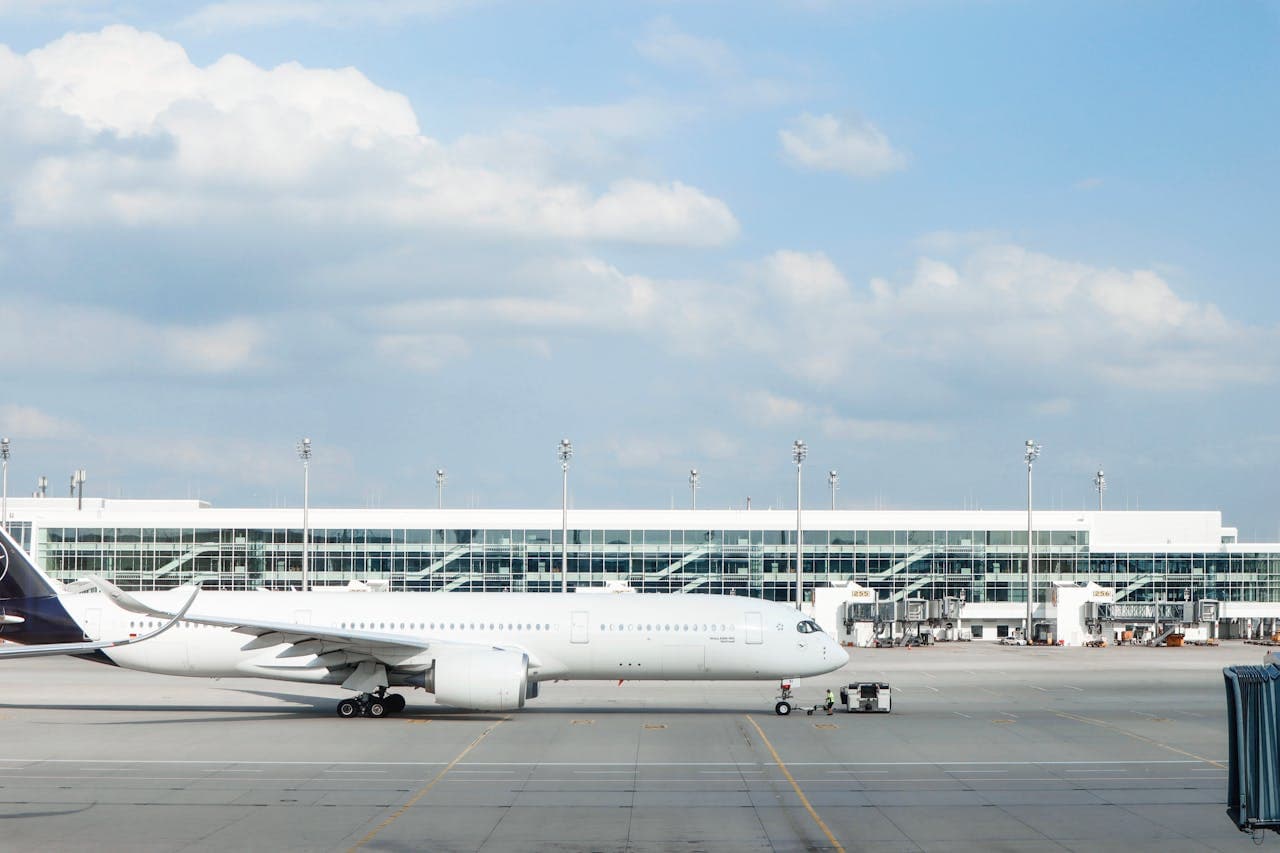
Timișoara Traian Vuia International Airport (TSR) occupies a unique position in Romania's aviation landscape. Named after the Romanian aviation pioneer who built and flew one of the world's first heavier-than-air machines in 1906, the airport serves as Romania's western gateway — a bridge between the country and Central Europe. Located on the Banat lowlands just 12 kilometres northeast of Romania's third-largest city, TSR handles approximately 1.5 million passengers per year on routes connecting Timișoara to destinations across Germany, Italy, the UK, Spain, and beyond.
But TSR's geographic position, while commercially strategic, creates distinctive operational challenges. The airport sits at the eastern edge of the Pannonian Plain — the vast lowland basin that stretches from Hungary through Serbia and into western Romania. This terrain acts as a wind funnel. Westerly and northwesterly winds sweep unimpeded across hundreds of kilometres of flat ground before hitting the airport, creating crosswind conditions that challenge pilots, delay flights, and sometimes force cancellations.
Add to this the fog that forms along the Bega and Timiș river valleys — particularly during the colder months — and you have an airport where weather-related disruptions follow predictable patterns. Patterns that airlines are expected to know and plan for.